
Walk into a home that feels calm, and you’ll quickly notice what isn’t there. No one buys that feeling; they build it by deciding, item by item, what earns a place and what leaves. You can do the same in three moves: change how you let things go, learn what your storage space actually costs you, and defend the quiet once you’ve made it. None of it requires a renovation budget or a designer on retainer. You mostly need patience and honesty.
Clear the Clutter Sensibly
Trash bags are the fastest version of minimalism and the least thoughtful one. Californians already bury 1.2 million tons of textiles a year, roughly 3% of everything sent to landfill, and most of it still had years of use left when it went out the door.
Closets here hold better goods than most, so the waste stings more. Say you’re refreshing your West Coast home. A donation pickup in Orange County gives your gently used luxury pieces and decor a second life, and you never have to lift a finger. California is building the system out around, too. Under the Responsible Textile Recovery Act, apparel and home-textile brands had to join a state-approved recovery program by July 2026, and convenient collection points are coming to every county over the next few years.
To handle things effectively, book the pickup date first, then sort. A truck arriving Thursday forces decisions that an open-ended weekend never will. Sort by where each item goes next since feelings make a poor filing system. Bedding, drapery, table linens, and towels all count as textiles, so the linen closet usually yields more than the wardrobe does. Photograph anything about roughly $500 before it goes, since itemized deductions need a record.
Count What Your Storage Costs
Orange County real estate ran a median of $721.88 per square foot in February 2026. Run that number against your own floor plan, and clutter stops looking free. A 6×8 corner of the garage stacked with boxes is 48 square feet. At the county median, you have parked about $34,000 of real estate under a tarp. UCLA researchers who moved into 32 Southern California homes found that only 25 percent of garages could still fit a car. Everyone in that study was paying premium prices for storage they never designed and would never have bought.
Compare that against the alternative most people reach for. A storage unit in Costa Mesa or Irvine feels cheaper because the bill arrives in small monthly pieces. But the bill never stops, and the boxes almost never come home. You end up renting a room to postpone a decision, which is the most expensive habit in interior design.
Walk your home with a tape measure this week. Measure each zone that exists only to hold things you don’t use: the spare-room closet, the garage wall, the cabinet under the stairs. Multiply the square footage by your neighborhood’s price per foot, then ask whether the contents are worth that. This makes most people reclaim a room they forgot they owned.
Protect the Quiet Once You’ve Made It
People give the empty space back first, usually within a month. There’s a reason for that, and it’s physical. Princeton neuroscientists have shown that objects sitting in your visual field at once compete for representation in the visual cortex, suppressing each other’s neural activity. Your brain has a fixed processing budget, and a crowded console table spends it.
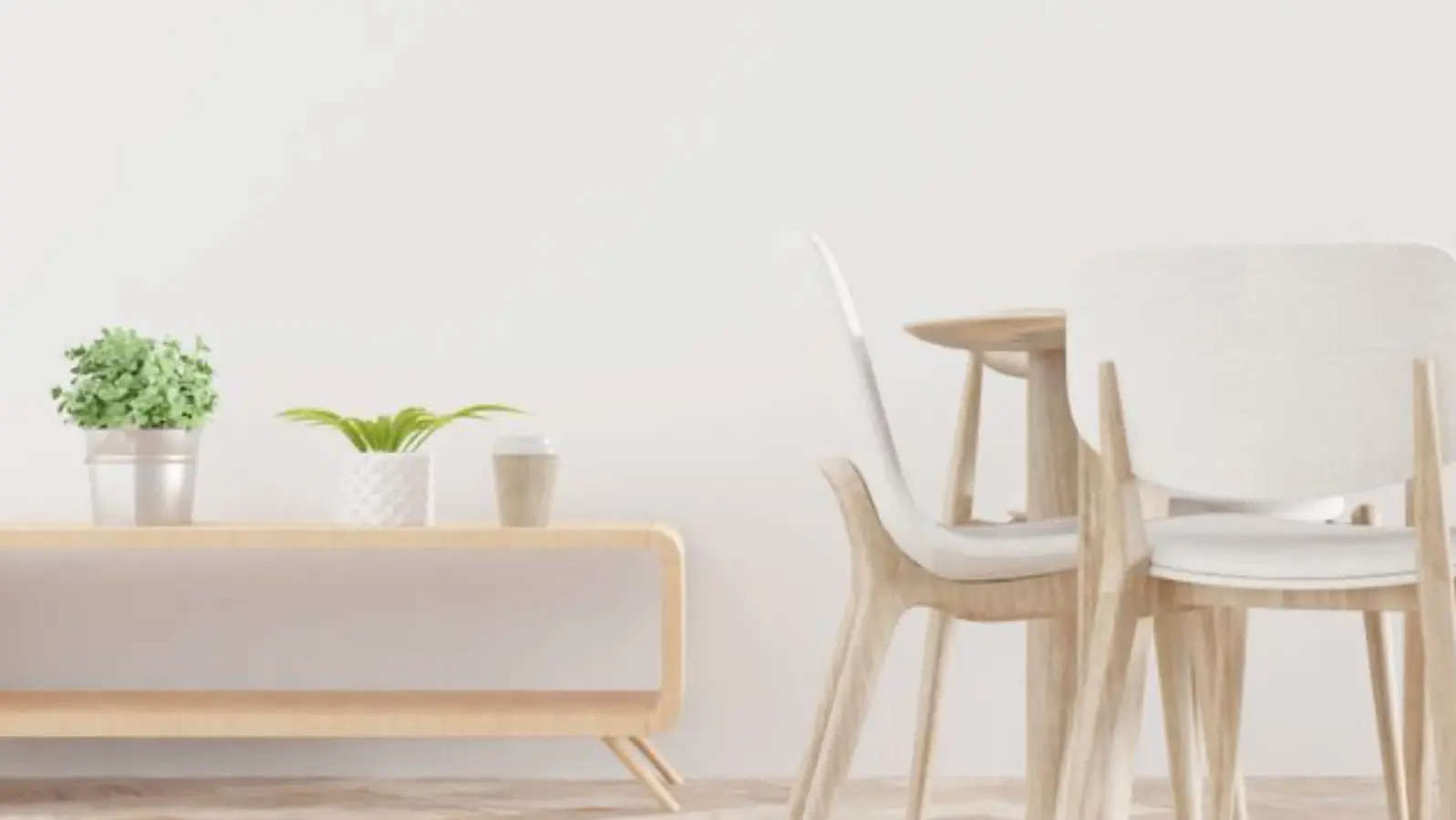
So treat surfaces as the control point. Pick three in your main living area: a console, an island, and a nightstand, and hold each one to a single object. A sculptural bowl or a single stem does more on an empty console than a tray of six things ever will. Finally, give every new purchase a home before it arrives, and let one thing leave when one thing enters.
Endnote
It is never possible to clear your home in one weekend, and you don’t have to. Pick the single room that bothers you most today and start there. Send what leaves to someone who actually wants it. Measure the space you get back and hold that space empty for a month before deciding to refill it. Start small, stay honest, and let the rooms breathe again.


