
If you’ve ever thrown out a bag of wilted lettuce or a pack of chicken that sat in the fridge a day too long, you already understand the quiet frustration of food waste. Most households lose hundreds of dollars worth of groceries every year without realizing it adds up so fast. A chamber vacuum sealer is one of the most practical tools you can bring into your kitchen to stop that cycle. It doesn’t just preserve food longer: it changes the way you shop, cook, and store everything in your home.
Why Food Waste Is a Bigger Problem Than Most Households Realize?
Food waste is easy to overlook because it happens gradually. A leftover here, a forgotten vegetable there, and before you know it, your trash can tells the real story of your weekly grocery budget. In fact, the average American household throws away nearly 30 to 40 percent of the food it purchases each year. That translates to roughly $1,500 in wasted spending annually for a family of four.
Beyond the financial cost, food waste carries a serious environmental toll. Organic matter that ends up in landfills produces methane, a greenhouse gas far more potent than carbon dioxide. So every time food spoils before you use it, you’re not just losing money: you’re contributing to a much larger problem.
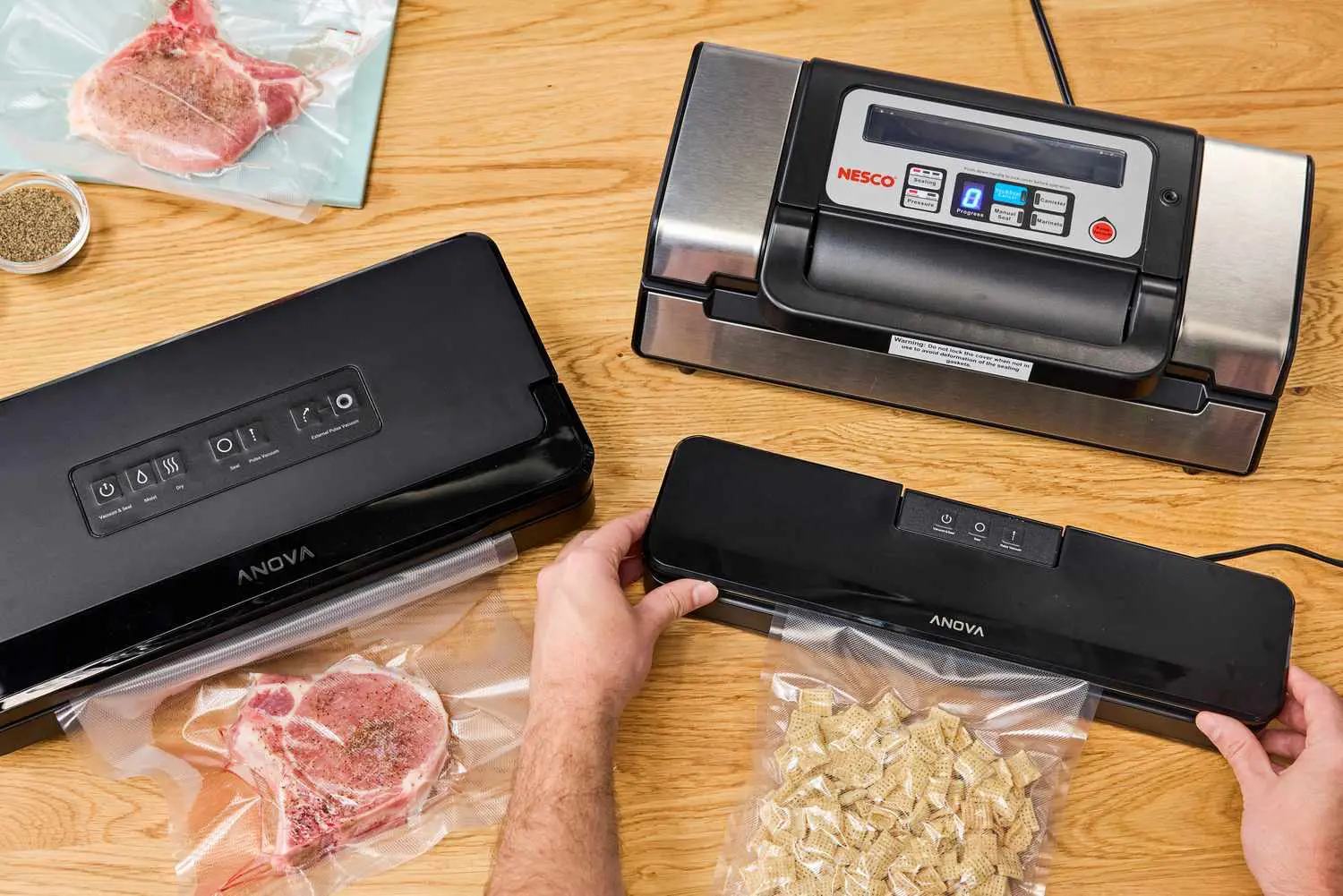
The root cause in most homes isn’t carelessness. It’s a lack of proper storage tools. Standard zip-lock bags, plastic wrap, and even most conventional food savers leave too much oxygen in contact with food, which accelerates spoilage. This is where selecting a chamber vacuum sealer becomes a smart decision; unlike edge sealers, chamber vacuum sealers remove almost all the oxygen from the bag before sealing, which dramatically slows down bacterial growth and oxidation. The result is food that stays fresher for significantly longer, which means less of what you buy ends up in the bin.
How Chamber Vacuum Sealing Extends the Shelf Life of Common Foods?
The science behind a chamber vacuum sealer is straightforward. Oxygen is the primary driver of food degradation. It feeds bacteria, causes fat to turn rancid, and promotes mold. By removing oxygen from the storage environment, you slow all of those processes down considerably. The difference in shelf life between vacuum-sealed food and food stored in conventional packaging is not subtle: it’s dramatic.
For everyday foods like raw chicken, cheese, or blanched vegetables, vacuum sealing can multiply refrigerator life by two to three times. In the freezer, the impact is even greater. Vacuum-sealed meats can last up to three years in the freezer without significant loss of quality, compared to just three to six months in standard freezer bags. That means you can buy in bulk, seal in portions, and pull from your freezer months later without freezer burn ruining the result.
It’s also worth noting that vacuum sealing works exceptionally well for dry goods. Coffee, nuts, grains, and spices all retain their flavor and potency far longer in a sealed, oxygen-free environment. If you’ve ever opened a bag of stale coffee or found that your spice rack lost all its punch, vacuum sealing solves that problem without any extra effort.
Meats, Produce, and Leftovers: A Shelf Life Comparison
To put the benefits in concrete terms, consider how vacuum sealing changes the shelf life of the foods you buy most often.
- Raw Meat: In the refrigerator, unsealed raw chicken or beef typically lasts two to three days. Vacuum-sealed, that same meat can stay fresh for up to ten days in the fridge. In the freezer, the difference is even more pronounced. Unsealed meat suffers from freezer burn within a few months, but vacuum-sealed meat holds its quality for two to three years.
- Produce: Fresh vegetables like broccoli, carrots, or bell peppers last roughly three to five days in the fridge. After vacuum sealing, you can extend that to one to two weeks with no texture compromise, especially if you blanch them first.
- Leftovers: Cooked meals in standard containers stay safe for three to four days in the refrigerator. Vacuum-sealed leftovers can last seven to ten days, which gives you a full week of ready-to-eat meals without the risk of spoilage.
These numbers aren’t just impressive on paper. They translate directly into fewer grocery runs, less thrown-out food, and a much more efficient kitchen.
Smart Ways to Use a Chamber Vacuum Sealer to Minimize Waste
Owning a chamber vacuum sealer is only as effective as the habits you build around it. The machine does the hard work, but you need a strategy to get the most out of it.
- Batch cook and seal in portions. One of the best ways to reduce waste is to cook large quantities of a recipe and seal individual portions right away. Instead of storing a large pot of soup in the fridge where it might get forgotten, you seal it into meal-sized bags and freeze them. Each bag becomes a ready meal that you pull out and reheat whenever you need it.
- Buy in bulk and break it down immediately. Bulk purchases offer better value per unit, but they also create spoilage risk if you don’t process them quickly. The moment you get home from a bulk shopping trip, portion the meat, produce, or dry goods and seal them before they sit in their original packaging for days. This single habit can dramatically cut your waste without changing what you buy.
- Seal food that’s close to its use-by date. Instead of letting items sit in the fridge until they spoil, seal them before they reach that point. A slightly over-ripe avocado, the last few slices of cheese, or meat that’s been in the fridge for two days: all of these can be vacuum-sealed and frozen to buy you extra time.
- Use it for marinating. Chamber vacuum sealers create a low-pressure environment inside the bag, which forces marinade deep into the fibers of meat in a fraction of the time. A marinade that normally takes overnight can penetrate fully in under thirty minutes. This means you use less marinade, produce better results, and waste nothing.
- Preserve herbs and seasonal produce. Fresh herbs tend to wilt within days. By blanching and vacuum-sealing them in small portions, you preserve their flavor for months. The same applies to seasonal fruits and vegetables. Strawberries in peak summer, for example, can be sealed and stored so you enjoy them well into autumn without any loss of quality.
Each of these practices stacks on top of the others. Together, they turn your chamber vacuum sealer into a genuine waste-reduction system rather than just another appliance on the counter.
Conclusion
Food waste is a real cost, and it’s one you have the power to reduce. A chamber vacuum sealer gives you a practical, proven way to extend the life of what you buy, protect your investment in groceries, and run a more efficient kitchen. The habits you build around it matter just as much as the machine itself. Start with one or two strategies, build from there, and you’ll notice the difference in both your trash can and your weekly grocery bill.


