
Egypt, the land of ancient wonders and timeless beauty, beckons travelers from around the globe. To make the most of your visit to this captivating country, crafting the perfect itinerary is essential. Whether you’re embarking on an independent journey or joining one of the many Egypt adventure tours, careful planning will ensure an unforgettable experience. In this article, we’ll guide you through the key elements of creating a well-rounded and immersive Egyptian itinerary.
Prioritize Your Must-See Attractions
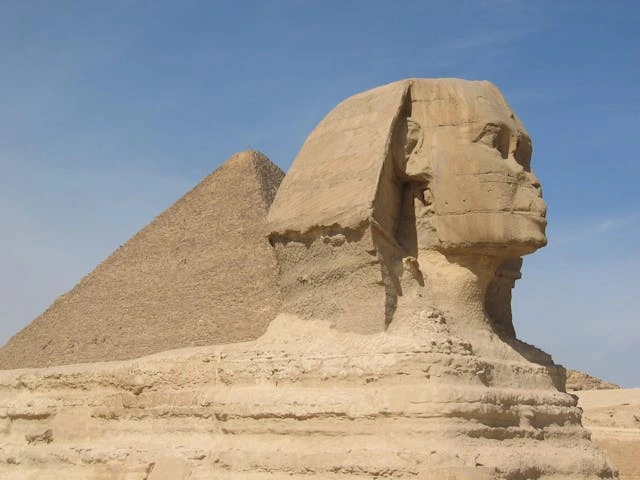
Begin by listing the top attractions you simply can’t miss. The Pyramids of Giza, the Sphinx, and the Valley of the Kings are likely at the top of your list. Consider the time you have available and prioritize accordingly. Remember, quality over quantity is key to a memorable trip.
When prioritizing attractions, consider the historical significance and uniqueness of each site. The Great Pyramid of Giza is the only surviving Wonder of the Ancient World, making it an absolute must-see. The nearby Sphinx, with its enigmatic smile and lion’s body, has captivated visitors for millennia. In Luxor, the Valley of the Kings houses the tombs of pharaohs including Tutankhamun, offering unparalleled insights into ancient Egyptian burial practices and beliefs about the afterlife.
Beyond the famous sites, consider including lesser-known but equally impressive attractions. The Step Pyramid of Djoser at Saqqara represents the earliest monumental stone building in history. The temples of Abu Simbel, relocated stone by stone to save them from flooding, showcase both ancient engineering prowess and modern preservation efforts. The Karnak Temple Complex in Luxor is one of the largest religious buildings ever constructed, with its forest of massive columns creating an awe-inspiring atmosphere.
Research opening hours, ticket requirements, and any special access opportunities. Some tombs in the Valley of the Kings require separate tickets and have limited daily visitors. The interior of the Great Pyramid requires advance booking and additional fees. Planning these details in advance ensures you won’t miss out on experiences that could be the highlight of your trip.
Allow Time for Exploration and Relaxation
While it’s tempting to pack your itinerary with back-to-back sightseeing, be sure to allow time for exploration and relaxation. Wander through the vibrant markets of Cairo, enjoy a leisurely felucca ride along the Nile, or simply take a moment to absorb the awe-inspiring views. These unscripted moments often become the most cherished memories.
Egypt’s bazaars and markets offer sensory experiences that transport you into the heart of local culture. Khan el-Khalili in Cairo is a maze of narrow alleys filled with spice vendors, jewelry makers, and textile merchants. The aromas of cardamom, cinnamon, and frankincense mingle with the sounds of haggling and traditional music. Allow several hours to explore these markets, practice your bargaining skills, and discover unique souvenirs that capture the essence of your Egyptian adventure.
The Nile River, Egypt’s lifeline for thousands of years, provides opportunities for peaceful reflection and stunning photography. Traditional felucca sailboats offer sunset cruises that reveal Egypt’s timeless beauty from a different perspective. As you glide along the water, you’ll see farmers working fields using methods unchanged for centuries, children playing along the riverbanks, and ancient temples silhouetted against the setting sun.
Build buffer time into your schedule for unexpected discoveries. You might stumble upon a local festival, encounter a master craftsman at work, or find a rooftop café with spectacular views. These spontaneous experiences often provide the most authentic connections to Egyptian culture and create stories you’ll share for years to come.
Dive into Egypt’s Rich History
Egypt’s history spans thousands of years, and understanding its depth will enhance your appreciation for the sites you visit. Include visits to museums, such as the Egyptian Museum in Cairo, and consider hiring a knowledgeable guide who can bring the ancient stories to life. Immersing yourself in Egypt’s rich history will add a new dimension to your journey.
The Egyptian Museum in Cairo houses the world’s most extensive collection of ancient Egyptian artifacts, including treasures from Tutankhamun’s tomb. Plan to spend at least half a day here, focusing on key exhibits that relate to sites you’ll visit. Understanding the significance of canopic jars, sarcophagi, and hieroglyphic texts before seeing them in their original contexts enhances the impact of your temple and tomb visits.
Consider timing your museum visits strategically. Visit the Egyptian Museum before exploring the pyramids and tombs to gain context for what you’ll see. The Luxor Museum, though smaller, contains exquisite pieces found in local excavations and provides specific insights into Theban history. The Nubian Museum in Aswan showcases the rich culture of southern Egypt and Sudan, offering perspectives often overlooked in mainstream Egyptian tourism.
Hiring qualified guides can transform your experience from simple sightseeing to deep cultural immersion. Look for guides certified by the Egyptian Ministry of Tourism who specialize in Egyptology. These professionals can read hieroglyphs, explain religious symbolism, and share stories that bring ancient stones to life. Many can also provide insights into modern Egyptian culture and help bridge the gap between ancient and contemporary Egypt.
Venture Beyond the Tourist Trail
While the iconic sites are a must, don’t forget to venture off the beaten path. Explore lesser-known temples, such as Abydos or Dendera, or take a scenic drive through the Western Desert to discover hidden oases. These unique experiences will give you a more comprehensive understanding of Egypt’s diverse landscape and culture.
The Temple of Seti I at Abydos contains some of the finest relief carvings in Egypt, with colors that remain vibrant after thousands of years. This site is considered one of the most sacred in ancient Egypt, believed to be the burial place of Osiris. The famous Abydos King List provides a chronological record of pharaohs, making it invaluable for understanding Egyptian history.
The Temple of Hathor at Dendera showcases Ptolemaic architecture and contains the famous Dendera Zodiac, one of the most complete ancient star maps ever discovered. The temple’s roof offers panoramic views of the Nile Valley, and its underground crypts reveal hidden chambers used for sacred rituals.
Egypt’s Western Desert contains natural wonders that complement its historical treasures. The White Desert National Park features surreal chalk rock formations sculpted by wind and sand. The Siwa Oasis, near the Libyan border, offers hot springs, salt lakes, and the ruins of the Oracle Temple where Alexander the Great sought divine confirmation of his destiny. These desert experiences provide contrast to the Nile Valley’s green fertility and showcase Egypt’s geographical diversity.
Consider visiting working archaeological sites where excavations continue to reveal new discoveries. Many sites welcome visitors during certain hours, offering glimpses into the ongoing process of uncovering Egypt’s past. These visits provide unique perspectives on how our understanding of ancient Egypt continues to evolve.
Embrace the Local Culture
To truly appreciate Egypt, engage with the local culture. Visit a traditional Nubian village, attend a Sufi music performance, or take a cooking class to learn about Egyptian cuisine. Interacting with locals and participating in their customs will provide a deeper connection to the country and its people.
Nubian culture, distinct from mainstream Egyptian culture, offers insights into Africa’s diverse heritage. Villages near Aswan maintain traditional architecture, with colorful houses decorated with geometric patterns. Nubian families often welcome visitors to share meals, demonstrate traditional crafts, and explain their unique language and customs. These interactions provide perspectives on Egypt’s multicultural identity and the resilience of indigenous communities.
Egyptian cuisine reflects the country’s position at the crossroads of Africa, Asia, and the Mediterranean. Cooking classes teach you to prepare dishes like koshari (Egypt’s national dish), molokhia (a nutritious green soup), and various mezze appetizers. Learning to make bread in traditional ovens or preparing spice blends connects you to daily life and family traditions that span generations.
Sufi music and dance performances offer spiritual experiences that reveal Islam’s mystical dimensions. The whirling dervishes of Cairo perform weekly ceremonies that combine music, poetry, and dance in expressions of divine love. These performances, often held in historic venues, provide insights into Egypt’s spiritual heritage and the role of music in religious practice.
Attend local festivals and celebrations when possible. Ramadan evenings bring communities together for iftar meals and special prayers. Coptic Christian celebrations showcase Egypt’s significant Christian heritage. Seasonal festivals like Sham el-Nessim (spring festival) demonstrate how ancient traditions continue in modern Egypt.
Plan for Practical Considerations
When creating your itinerary, don’t forget to factor in practical considerations. Egypt’s climate can be intense, so plan your activities accordingly. Allow for travel time between destinations, and be mindful of opening hours and potential crowds at popular sites. By planning ahead, you’ll minimize stress and maximize your enjoyment.
Egypt’s climate varies significantly by season and region. Summer temperatures in Upper Egypt (Luxor and Aswan) can exceed 40°C (104°F), making early morning and late afternoon the best times for outdoor activities. Winter offers more comfortable temperatures but can be surprisingly cool in the evenings, especially in desert areas. Plan indoor activities like museums and shopping during the hottest parts of the day.
Transportation between major sites requires careful planning. Domestic flights between Cairo, Luxor, and Aswan save time but need advance booking. Train travel offers scenic views and comfortable overnight options, but schedules can be unpredictable. Road travel allows flexibility but requires consideration of distances and road conditions. Factor in security checkpoints and potential delays when calculating travel times.
Consider the rhythm of Egyptian life when planning daily activities. Many sites close for lunch breaks, and Friday prayers affect opening hours at some locations. Ramadan significantly impacts restaurant hours and cultural activities. Tourist sites are typically busiest between 10 AM and 2 PM, so early morning or late afternoon visits often provide better experiences with fewer crowds.
Budget for various entrance fees, photography tickets, and tip expectations. Many sites charge separately for tomb interiors, photography, and video recording. Tipping (baksheesh) is customary for guides, drivers, and service staff. Having small bills in Egyptian pounds facilitates these transactions and shows respect for local customs.
Leave Room for Spontaneity
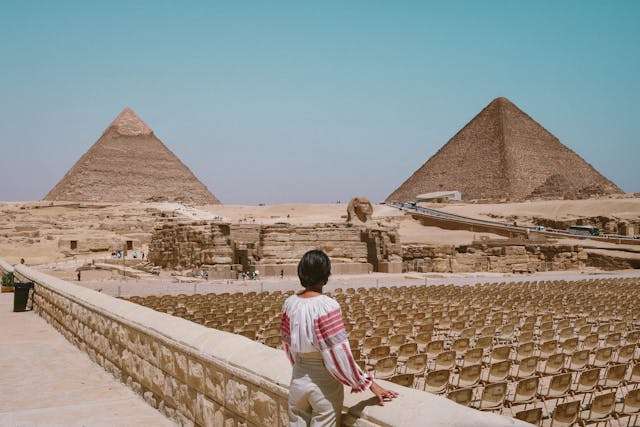
Finally, while a well-structured itinerary is important, leave some room for spontaneity. Be open to unexpected opportunities that may arise, whether it’s an impromptu invitation to share a meal with locals or a chance to witness a traditional festival. These serendipitous moments often become the most memorable parts of your trip.
Flexibility in your schedule allows you to extend visits to places that captivate you or discover new experiences recommended by locals or fellow travelers. You might find a master craftsman willing to demonstrate traditional techniques, stumble upon a local celebration, or discover a hidden café with spectacular views. These unplanned experiences often provide the most authentic insights into Egyptian culture.
Weather conditions, site closures, or transportation delays might require itinerary adjustments. Having flexible booking policies and backup plans reduces stress and allows you to adapt gracefully to changing circumstances. Sometimes these forced changes lead to better experiences than originally planned.
Consider leaving one or two days completely unscheduled, especially in cities like Cairo or Luxor where numerous attractions and activities compete for your attention. Use these days to revisit favorite sites, explore neighborhoods that intrigued you, or simply relax and process the incredible experiences you’ve had.
Connect with other travelers and locals for recommendations about hidden gems and current events. Social media groups, hotel concierges, and fellow tourists often share information about special exhibitions, seasonal events, or newly opened sites that might not appear in guidebooks but could enhance your Egyptian adventure.
In conclusion, creating the perfect itinerary for visiting Egypt requires a balance of careful planning and flexibility. By prioritizing your must-see attractions, allowing time for exploration and relaxation, diving into Egypt’s history, venturing beyond the tourist trail, embracing the local culture, planning for practical considerations, and leaving room for spontaneity, you’ll craft an unforgettable journey through this ancient land. Egypt offers layers of experience that reward both careful preparation and openness to surprise. So, whether you choose to explore independently or join one of the many captivating Egypt adventure tours, let your itinerary be your guide to discovering the magic and wonder of this timeless destination. The memories you create will not only enrich your understanding of human civilization but also provide inspiration and perspective that will influence your worldview long after you return home.
Sponsored by gadventures.com

