
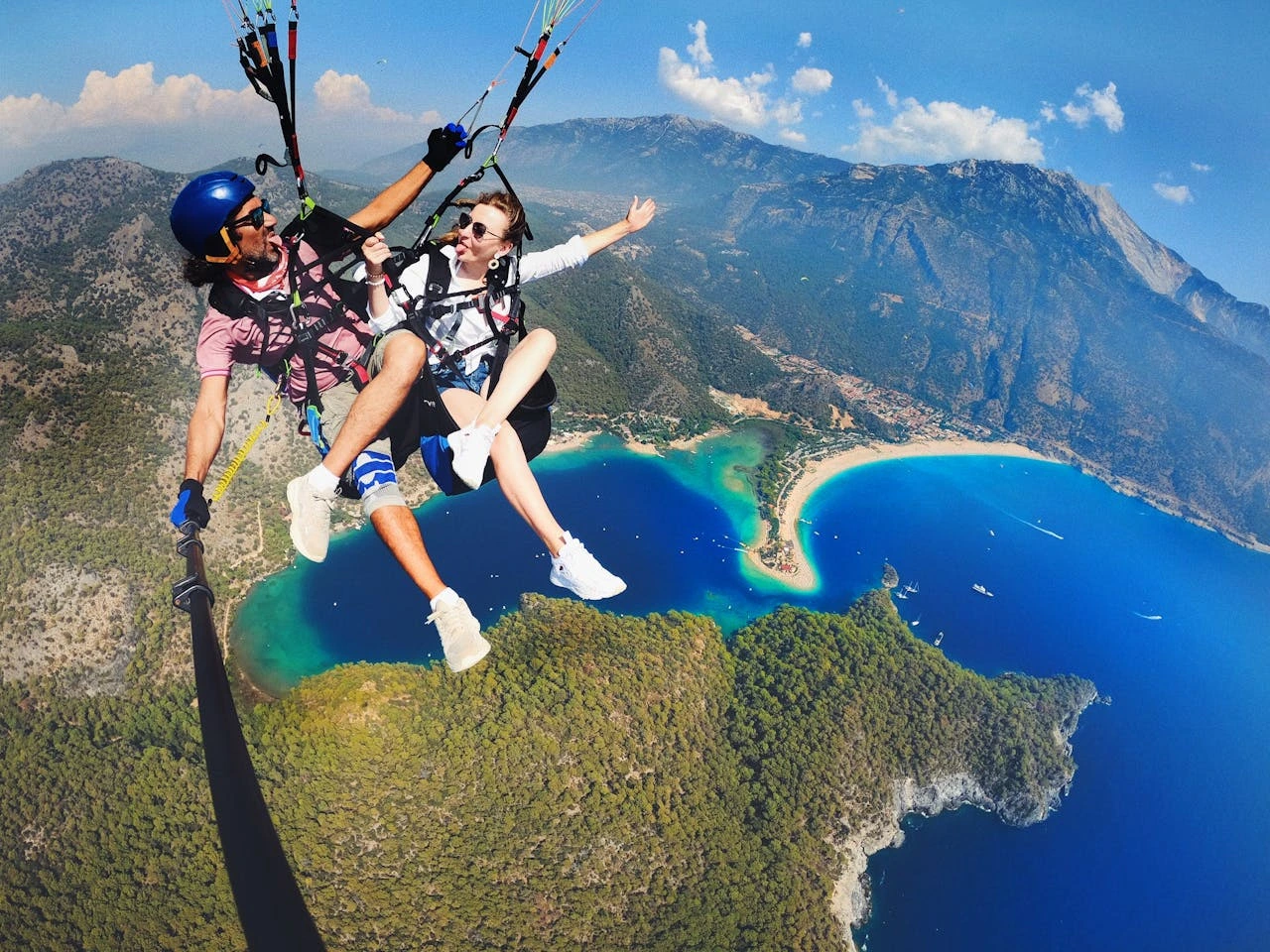
If you’re drawn to skydiving beneath wide blue skies and over coastlines, pine barrens, or red-clay fields, the southern United States is hard to beat. But the best day in the South isn’t just a lucky forecast—it’s a handful of smart choices about season, time of day, altitude, and how you set yourself up for a calm, memorable first jump. This guide to skydiving distills what people actually ask online—about humidity, winds, motion comfort, altitude options, and realistic expectations—into a clear plan you can use.
Why the South Feels Different in Freefall
Warm air, big horizons, and varied terrain come together below the aircraft door. Coastal zones bring marshes, barrier islands, and a shimmering horizon line; inland plains offer quilted farmland and long sightlines; foothills add depth and texture to the canopy ride. Humidity and heat shape the feel of the air: mornings are typically smoother, afternoons more energetic. That doesn’t make one “better,” but it does change your experience—especially if you’re motion-sensitive.
Guide to Skydiving: Planning Your Southern Adventure
A guide to skydiving in the American South requires understanding seasonal patterns and timing choices that directly impact your experience. Morning jumps typically offer calmer air and better visibility compared to afternoon sessions when thermal activity builds. Fall emerges as the optimal season, delivering crisp conditions, extended views, and steadier winds that benefit first-time jumpers. The southern landscape provides diverse backdrops from coastal marshes to rolling farmland, each offering distinct visual experiences during freefall and canopy descent.
Essential Preparations for First-Time Jumpers
Successful skydiving experiences stem from practical preparation rather than luck. Choosing appropriate altitude determines freefall duration, with higher exits providing precious seconds to absorb surroundings once initial nerves settle. Comfort factors matter significantly, including snug layered clothing for cooler temperatures at altitude, proper hydration starting early in the day, and clear communication about motion sensitivity or physical concerns during briefing. Understanding that exit sensations differ from roller coaster drops helps manage expectations, while focusing on the horizon rather than looking straight down maintains balance and reduces anxiety throughout the jump sequence.
The Three Sensations That Surprise First-Timers
- Exit feels supported, not “droppy.” Freefall is like leaning into a strong wind; your stomach doesn’t lurch as on a roller coaster.
- The canopy ride is quiet. After opening, you’ll hear wind and your instructor’s voice; you can request gentle or sporty turns.
- Time stretches oddly. Thirty to sixty seconds can feel both instant and expansive. Choosing altitude wisely helps you actually look around.
Weather Logic You Can Use (Without Becoming a Meteorologist)
Across the South, the same basic pattern repeats: calmer mornings, building breezes late morning to afternoon, and occasional pop-up showers in warm months. After a front moves through, the air often goes crisp and visibility can be spectacular. In summer, heat plus humidity may add short delays; in fall, the sky tends to run cooler, drier, and steadier—great for unhurried first jumps.
Translation for your calendar:
- Spring: Variable but promising; watch for gusty post-front afternoons.
- Summer: Smooth at sunrise, lively after lunch; plan earlier calls and hydrate.
- Fall: The sweet spot—long views, friendlier winds, golden light.
- Winter (milder southern zones): Cool, crisp air and fewer crowds; bring layers.
How Altitude Changes the Day (And Your Memory of It)
Altitude sets your freefall clock. Lower exits shorten the plane ride and deliver a “highlight reel.” Higher exits add precious seconds after the door when your brain settles, your shoulders drop, and the horizon becomes something you can actually study. If you want to remember the view—not just survive the door—choose the longer freefall.
Comfort, Fit, and Safety—Plain Talk
You should be able to lift your legs for landing, wear a snug harness comfortably, and equalize ear pressure during descent (yawn or swallow). If you’re congested, reschedule. Closed-toe shoes, tied-back hair, and non-flappy clothes make everything easier. If you’re sensitive to spins, ask for a mellow canopy flight and avoid heavy caffeine and fragrances right before you gear up.
One Table to Plan by Season and Setting
| Southern Setting | Best Seasonal Window | Airfeel & Sky Notes | Comfort Tips | Who Thrives |
| Coastal marsh & barrier islands | Early fall; sunrise year-round | Morning glassy air; occasional marine haze clears with sun | Light layer aloft; early calls reduce holds | First-timers, photo-focused jumpers |
| Inland plains & farmland | Late summer into fall | Big horizons; thermals build by afternoon | Book morning; bring water | Early birds, altitude-curious beginners |
| Foothills & rolling uplands | Late summer–fall | Cooler mornings; crisp post-front visibility | Add a windbreaker for the ride up | View chasers who want depth in the landscape |
| Subtropical lowlands | Late fall–early spring | Lower humidity, steadier winds | Plan buffer time; flexible schedule helps | Travelers avoiding heat and storms |
What the Day Actually Looks Like
Check-in & briefing: Paperwork, gear fit, and a plain-English safety talk. This is where you mention motion sensitivity, old injuries, or questions about glasses/contacts.
Climb to altitude: Fifteen to twenty-five minutes. Nerves peak here—then often drop as soon as the door opens and you have a job to do.
Exit & freefall: A count, a lean, and airflow wraps you. Look at the horizon, not straight down; your balance follows your eyes.
Canopy flight: Four to seven minutes of quiet. You’ll practice a seated position in the harness and lift your legs for landing on cue.
The “South Factor”: Heat, Humidity, and Why Scheduling Matters
Heat magnifies everything—fatigue, nerves, dehydration, and the odds of pop-up showers. Southern humidity is the single best reason to pick a morning slot: earlier air is calmer, the sun is lower, and holds are less likely to stack up. If a quick shower does pass, don’t be surprised if the post-rain visibility turns into the prettiest light of the day.
Forum-Fueled Questions, Answered Without Hype
Should I eat before I jump? Yes—light and normal. Empty stomachs and sugar spikes both backfire.
Glasses or contacts? Either under snug goggles. Bring a case.
Will my ears hurt? Equalize gently on descent. If you’ve had chronic issues, flag it during briefing.
Can I bring my own camera? Expect strict rules about mounts and attachment—safety beats spontaneity.
What if I’m nervous about spins? Say so before boarding; you can request gentle canopy turns and still have a gorgeous ride.
Packing List for Southern Air (What Actually Helps)
- Snug layers: It’s cooler at altitude even on hot days.
- Closed-toe shoes: No hooks or loose laces.
- Water + light snack: Start sipping early; don’t chug right before boarding.
- Hair ties & minimal jewelry: Wind plus metal equals distraction.
- Sunscreen for wait time: Shade is not guaranteed on the staging area.
Ten-Step “No-Drama” Plan for a Southern Jump
- Book the earliest time you can show up unhurried. Morning air is your friend.
- Eat a light, normal meal. Think “pre-workout,” not “brunch buffet.”
- Hydrate early. Slow sips beat a last-minute chug.
- Dress for wind, not for photos. Snug layers equal a cleaner body position.
- Speak up. Ask for gentle canopy turns if you’re motion-sensitive.
- Choose altitude with intent. Longer freefall if you want to truly see the horizon.
- Focus on the horizon at exit. It calms breathing and balance instantly.
- Rehearse “legs up.” That one cue makes landings smooth and confident.
- Build buffer time. Pop-up showers and aircraft cycles happen.
- Debrief yourself after landing. Note what you liked—time of day, altitude, turn style—for next time.
Beyond the First Jump: If You Think You’ll Go Again
A second jump in the same trip is often where everything “clicks.” Familiarity with the rhythm frees up attention for the view, and small skills (stable exit, relaxed arch, gentle heading awareness) start to feel natural. If your first jump was midday and a little bumpy, try an early slot next time—you’ll understand instantly why jumpers chase morning air in the South.
The Memory You’re Chasing
The door is loud and fast; it’s not the point. The moment that lasts is almost always quieter: when the rush steadies, the coastline outlines itself, or fields tile beneath you in slow motion; when you can hear wind under canopy and pick out rivers, roads, and the bright geometry of roofs. Designing your Southern jump around smooth air, simple comfort habits, and a freefall length that gives you time to notice is what turns a bucket-list item into a vivid, repeatable memory.
Bottom Line
The South rewards intention. Choose a season that stacks the odds—often fall or an early spring window—book an early slot, pick an altitude that buys you seconds of awareness, and treat comfort as performance: light food, layered clothes, steady hydration, and clear communication. Do that, and your first skydiving story won’t be “I white-knuckled the door.” It’ll be something better: “I watched an entire landscape open up—and I had time to take it in.”
Sponsored by iskydive

