
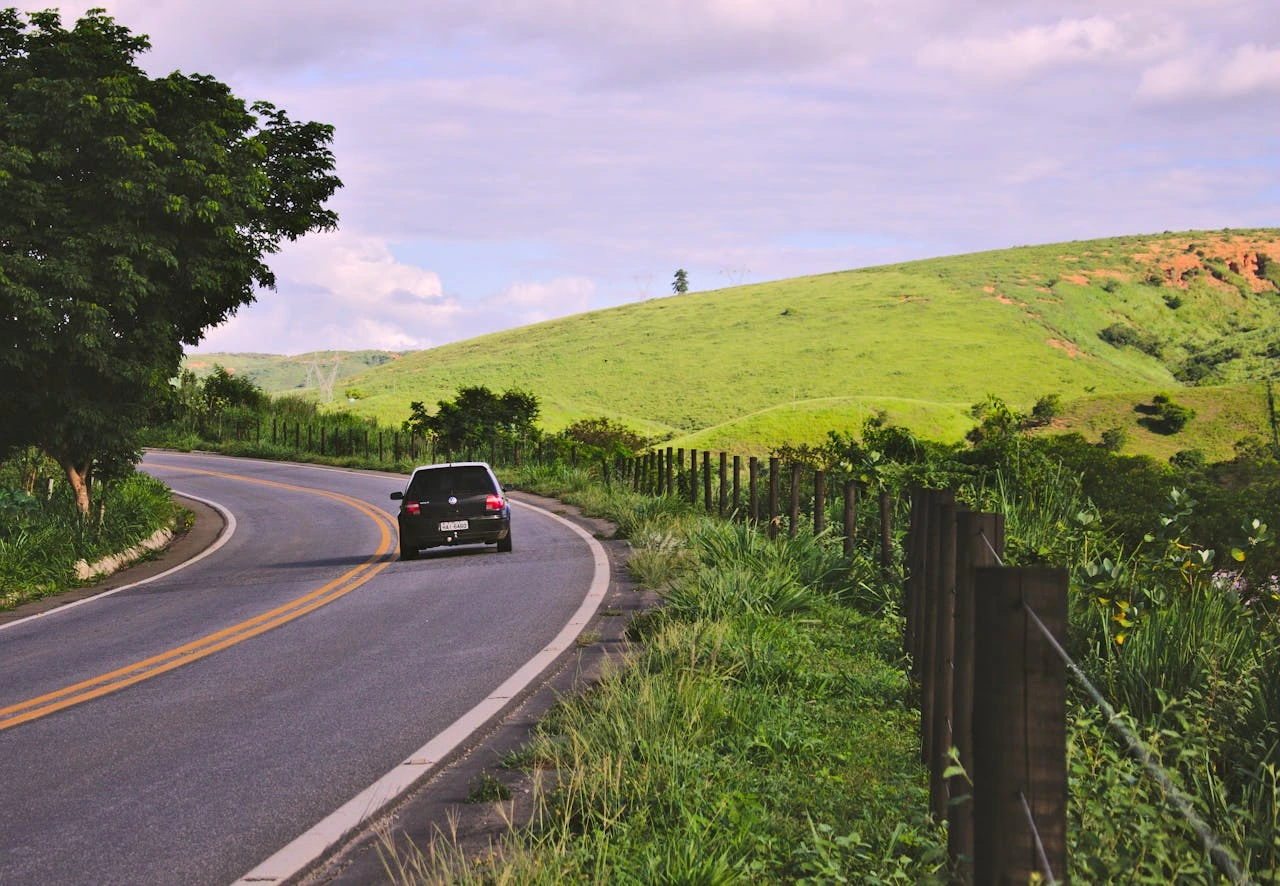
Traveling across Indiana by car reveals a landscape shaped by centuries of movement, innovation, and community. The state’s roads connect lakefront dunes, historic small towns, vibrant cities, forested hills, and future-focused industrial corridors, often within just a couple of hours of driving.
Each region offers its own story, yet all of them reflect Indiana’s role as a place where past and present naturally intersect. And isn’t that the real appeal of a great road trip, discovering unexpected layers in places you thought you already understood?
How Indiana Became the Crossroads of America
Indiana’s central position made it a natural connector long before modern highways appeared. Early settlers followed rivers, trade routes, and flat terrain that made travel easier compared to neighboring regions.
As roads, railways, and canals expanded, Indiana evolved into a major hub linking northern cities with southern markets and eastern industries with western farmland. When you drive through the state today, you’re essentially following the same arteries that supported America’s growth for generations.
The modern interstate network strengthened this identity even more. Multiple major highways intersect across the state, allowing you to move quickly from one region to another without complicated detours.
This creates a surprising level of variety for travelers, one moment you’re cruising through busy corridors, and minutes later you’re in quiet landscapes or small, historic towns. How many states offer such a dramatic shift in atmosphere without ever leaving the same main road?
Exploring Indiana’s Past: Where History Still Lives Along the Road
Much of Indiana’s history is still visible if you choose the slower, scenic routes. Parke County’s covered bridges and winding backroads make it easy to imagine how people traveled more than a century ago.
Small towns along these routes preserve 19th-century courthouses, mills, and neatly arranged main streets that haven’t changed much over the decades. These places remind you how communities once lived closely with the land and each other, long before highways reshaped everyday life.
Southern Indiana adds another layer of history through its Ohio River towns, where the state’s earliest settlements took root. Driving along the riverfront means passing limestone cliffs, rolling hills, and streets lined with historic buildings that carry the atmosphere of the frontier era.
These communities feel lived-in rather than frozen in time, with festivals, local arts, and restored districts that keep their heritage active. It’s one of the few regions where Indiana’s early story still feels present the moment you arrive.
Smart Tips for Making the Most of Your Indiana Road Trip
Timing your trip makes a noticeable difference, especially when it comes to road safety. Summer brings long daylight hours and clear roads, while fall offers vibrant colors but also leaf-covered pavement that can become slick after rain. Spring provides mild temperatures but occasional storms that reduce visibility, and winter can introduce snow, ice, and freezing rain in certain regions.
Checking the forecast, monitoring road conditions, and preparing for quick weather changes help ensure a safer and more predictable drive. Indiana’s landscapes are at their best when you’re able to enjoy the scenery without worrying about the elements or unexpected vehicle issues, which is why travelers value the added peace of mind of a car extended warranty. Travelers will find that major routes offer consistent lighting, clearer signage, and reliable access to food, fuel, and lodging, all of which contribute to a safer experience.
Rural roads, on the other hand, can be narrow, winding, or poorly lit, especially in the southern part of the state where hills and curves are common. Most travelers won’t encounter any serious issues, but road conditions can change quickly in certain regions. Keep the contact information of a local Indiana car accident attorney handy just in case you ever need professional guidance after a collision.
Slowing down and staying alert enhances both comfort and safety, particularly when sharing the road with farm equipment or wildlife during early morning or evening hours. Planning your route while leaving room for spontaneous detours creates the ideal balance between structure and exploration, because the best road trips are the ones where safety and discovery go hand in hand.
The People, Places, and Landscapes That Define Indiana Today
Indiana today is shaped by the mix of fast interstates and slower rural roads that give travelers a wide range of experiences. Major corridors connect cities and regions efficiently, while the side routes lead to farms, forests, lakes, and older neighborhoods with their own rhythm.
Exploring by car helps you see how people actually live and move across the state. It’s a reminder that travel isn’t only about destinations, it’s about observing how a place functions day to day.
Urban areas like Indianapolis offer energy, culture, and creativity, all within a layout that’s easy for drivers to navigate. College towns such as Bloomington, West Lafayette, and South Bend add a lively blend of arts, sports, and academic influence that gives each community its own character.
And if you believe Indiana is flat, the state’s natural landscapes will change your mind quickly. From the dunes along Lake Michigan to the forests and ravines of Brown County and Turkey Run, Indiana constantly shifts between unexpected scenery and familiar Midwestern comfort.
A Glimpse Into Indiana’s Future, and Where the Road Is Leading
Indiana is preparing for a new era shaped by advanced manufacturing, technology, and innovation. Several regions are becoming centers for next-generation production, which is already reshaping both the economy and the landscapes along major travel routes.
These developments build on the state’s long history of transportation and logistics, but they also signal a shift toward more specialized, future-focused industries. For drivers, it’s fascinating to witness how quickly certain areas are transforming.
Infrastructure improvements are also changing the travel experience in subtle but meaningful ways. Updated interchanges, enhanced safety measures, and investments in smarter traffic systems help make driving smoother and more intuitive.
At the same time, sustainability efforts, such as expanding trail networks, revitalizing river-fronts, and restoring natural areas, reveal a commitment to balancing progress with environmental care. Travelers may not see every project in motion, but they’ll certainly feel the impact over the next decade.
Road Trip Routes That Tell the Whole Story
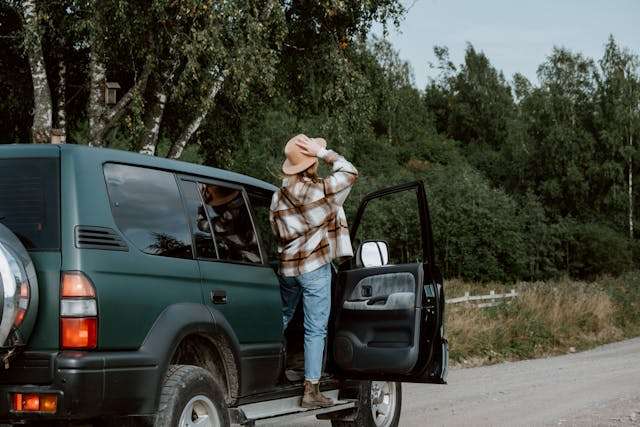
A north-to-south route is a great way to see Indiana’s full personality unfold. Starting at the Indiana Dunes brings you into sweeping lake views and sandy shorelines that feel almost coastal. Heading inland takes you through farmland dotted with small towns, eventually leading to the urban energy of Indianapolis.
Turning south introduces forested hills, winding roads, and the artistic charm of Bloomington and Brown County before the journey finishes in the historic river towns along the Ohio. It’s a route that gradually transitions through Indiana’s past, present, and future.
Another rewarding drive loops through the central region, where tradition and innovation sit side by side. This route might take you past areas shaped by modern industry, into architectural destinations with striking designs, and then through quiet rural landscapes and nature preserves.
The contrast highlights what makes Indiana unique: the blending of heritage, community life, and forward-looking development within a relatively small geographic area. Each stop adds a different chapter to the story the road is telling.
Conclusion
Exploring Indiana by car shows how seamlessly history, culture, nature, and progress coexist across the state’s diverse regions. From quiet backroads lined with covered bridges to dynamic cities and emerging innovation hubs, each stretch of highway highlights a different chapter in Indiana’s continuing evolution.
The journey rewards travelers who pay attention to the subtle shifts in landscape and community character, offering insights that go far beyond typical sightseeing. After all, what better way to understand a place than by following the paths its people have traveled for generations?
Sponsored by ndianashistoricpathways


