
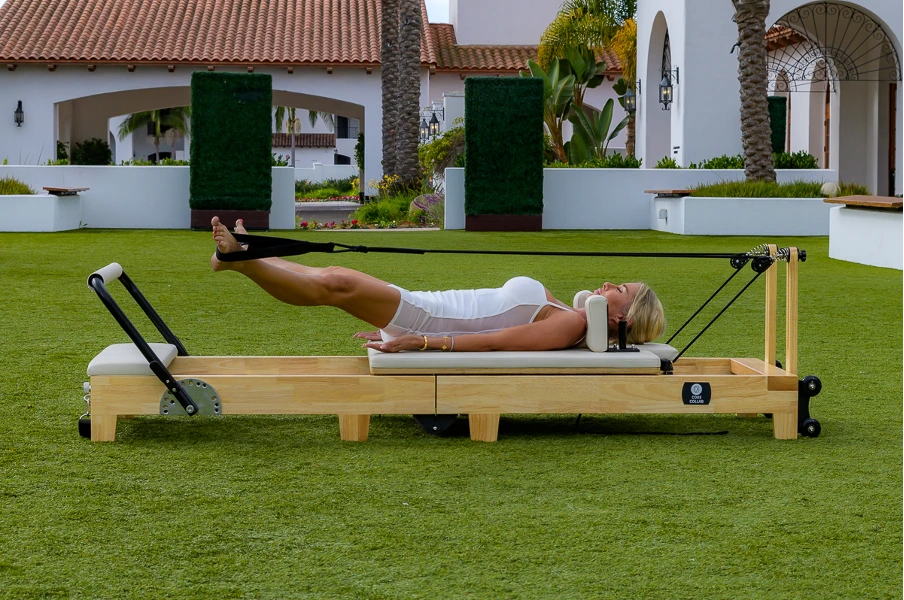
At some point, people started noticing how much space their fitness equipment was taking up. Not just physically, but mentally too. Machines sat there, heavy and unmoving, reminding you that you should be using them more often.
That feeling adds up.
What once felt like motivation slowly turned into pressure. The equipment did not disappear, but the excitement around it did. Many homes ended up with a room that felt half finished, built around something that no longer fit the way life actually worked.
That was the first sign something needed to change.
Homes Stopped Being One-Function Spaces
Modern homes rarely serve one purpose anymore. A room can be an office, a reading space, and a place to stretch all in the same day. That flexibility changed expectations across the board.
Fitness had to adapt to that reality.
Large, single-purpose machines do not move easily. They demand space and attention even when they are not being used. In homes where every square metre matters, that demand starts to feel unreasonable.
People began looking for equipment that could exist quietly alongside everything else.
When Gym Thinking No Longer Made Sense at Home
For a long time, home fitness borrowed its logic from commercial gyms. More machines meant better results. Bigger equipment meant more serious training.
In practice, that thinking rarely translates well.
Gyms are designed to absorb noise, repetition, and constant movement. Homes are not. When gym-style equipment entered living spaces, it often clashed with how people wanted those spaces to feel.
Instead of supporting routines, it disrupted them.
Why Design Entered the Fitness Conversation Naturally
Interior design did not suddenly influence fitness. It crept in slowly.
As people paid more attention to how rooms made them feel, they became more aware of what felt out of place. Harsh lines. Oversized frames. Equipment that dominated the room even when unused.
Fitness tools that respected visual balance felt easier to live with. Neutral finishes. Slim profiles. Thoughtful proportions.
It was less about aesthetics and more about comfort.
Movement That Does Not Take Over the Room
One reason controlled resistance training fits so well into modern homes is its quiet nature. Movements are slower. There is no crashing or constant repositioning.
This will simplify the process of incorporating into the day-to-day activities, particularly where people are assembled. That is why certain homeowners are inclined to such a choice as a properly designed Pilates reformer machine, which implies a significant resistance without requiring a special room.
When equipment does not interrupt the space, it becomes easier to return to it.
Equipment That Feels Approachable
There is a subtle difference between equipment that challenges you and equipment that intimidates you. The second kind tends to be avoided.
Smaller, adaptable setups feel less demanding. They invite shorter sessions. They make movement feel possible even on low-energy days.
That approach often leads to more consistency, which matters far more than intensity in the long run, especially when you consider the benefits of regular movement.
People stop asking themselves if they have time for a full workout. They just move.
Why Smaller Equipment Often Gets Used More
One pattern shows up again and again in home fitness. The equipment that looks the most impressive is not always the equipment that gets used. Large machines can feel like a commitment before the workout even begins. They ask for time, energy, and a clear plan. On busy or low-energy days, that mental hurdle alone is enough to stop movement entirely.
Smaller, more adaptable equipment creates a different relationship. It feels easier to approach. You can step into a short session without feeling like you need to justify the effort. Ten minutes feels acceptable. So does twenty. That flexibility encourages regular use instead of occasional bursts.
Over time, those shorter, repeatable sessions matter more than ambitious plans that rarely happen. Strength builds quietly. Movement becomes familiar. The equipment stops feeling like a reminder of what you should be doing and starts feeling like something that fits naturally into the day.
How Placement Changed the Relationship With Fitness
Fitness equipment used to be hidden away. Garages. Basements. Spare rooms that slowly lost their purpose.
Now, placement is intentional, reflecting a wider shift toward thoughtful home gym design.
Equipment is positioned where light enters the room, where movement feels natural, and where it does not require rearranging everything else first.
That simple change shifts behaviour. When equipment feels present but not intrusive, it becomes part of the environment rather than something separate from it.
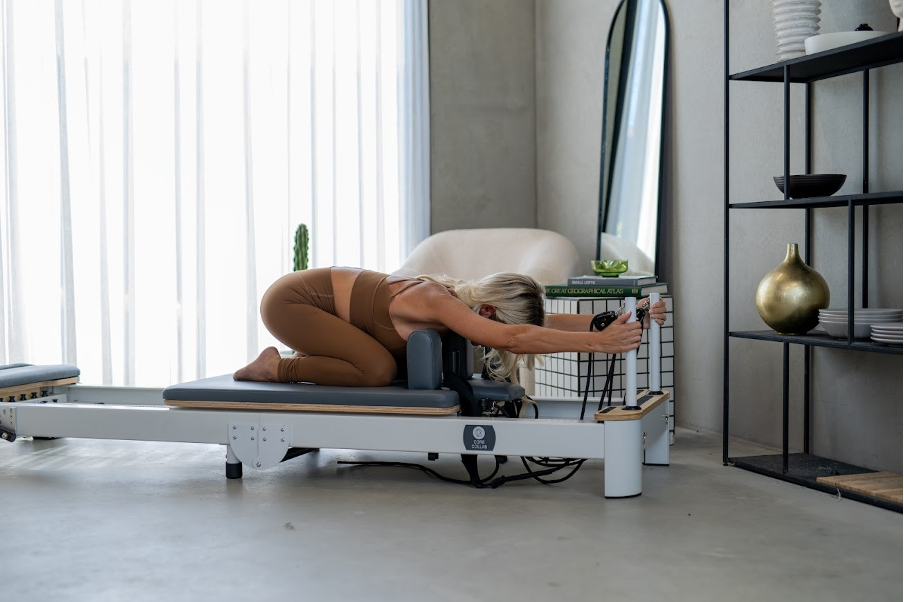
Strength Without the Need to Prove It
Home fitness has quietly changed its definition of success. Exhaustion is no longer the goal. Feeling capable is.
People want strength that supports posture, balance, and everyday movement. They want to feel steady when standing up, lifting things, or moving through long days.
Pilates-based systems align naturally with that goal. Resistance can be adjusted easily. Sessions can expand or contract depending on energy levels.
Nothing feels wasted.
Why Familiar Names Carry Less Weight Now
Brand recognition still exists, but it no longer ends the conversation. People compare experiences more than logos.
How does the equipment feel after weeks of use? Does it fit the room? Does it support real routines?
Alternatives that answer those questions well are being considered more seriously than ever. When equipment earns its place through use, branding fades into the background.
Wellness That Blends Into Daily Life
The most successful home fitness spaces do not look staged. They look lived in.
Movement fits naturally into the day. Nothing needs to be reset or hidden afterward. The space continues to function as intended.
That approach reflects a broader shift toward wellness that supports life instead of competing with it.
Where Home Fitness Is Likely Headed
It is unlikely that oversized machines and imitation gym setups will return to popularity. That phase has passed.
The future points toward quieter, more thoughtful equipment that respects both the body and the space it occupies.
Fitness will continue to integrate rather than dominate. Strength will be built without spectacle.
And equipment that understands that balance will last.
Sponsored by thecorecollab

