
Before every trip, I convince myself this time will be different. I will pack thoughtfully. I will wear everything. I will not overpack. And yet, by the end of the journey, the same realization hits when I compare what I packed vs what I actually wore on my trip. A small portion of my suitcase did all the work, while the rest barely saw daylight.
Travel has a way of cutting through intention and revealing reality. What you imagine yourself wearing and what you actually reach for are often two very different things.
This trip was no exception.
The Clothes I Thought I Needed
When packing, I planned for options. Extra outfits for evenings, backup layers for weather changes, and pieces that felt stylish but not necessarily practical.
I packed items that looked good laid out on the bed. Structured tops, shoes that worked with only one outfit, and clothing I told myself I would wear if the occasion came up.
The problem was not that these items were bad. The problem was that travel does not reward complexity.
What I Actually Wore Day After Day?
Once the trip started, patterns emerged quickly. I reached for the same pieces repeatedly. Comfortable bottoms, breathable tops, and layers that worked across different temperatures.
Walking dominated my days more than expected. Between transportation, sightseeing, and spontaneous detours, comfort quietly became the deciding factor. Outfits that required effort stayed in the suitcase. Clothes that felt easy came with me everywhere.
According to The Guardian, travelers consistently overestimate how many outfit changes they will realistically use, often wearing the same core pieces on repeat while traveling.
That observation felt uncomfortably accurate.
Shoes Were the Biggest Reality Check
Shoes were where expectation and reality differed the most. I packed multiple pairs, each with a specific purpose in mind. Casual shoes. Slightly dressier shoes. Backup shoes just in case.
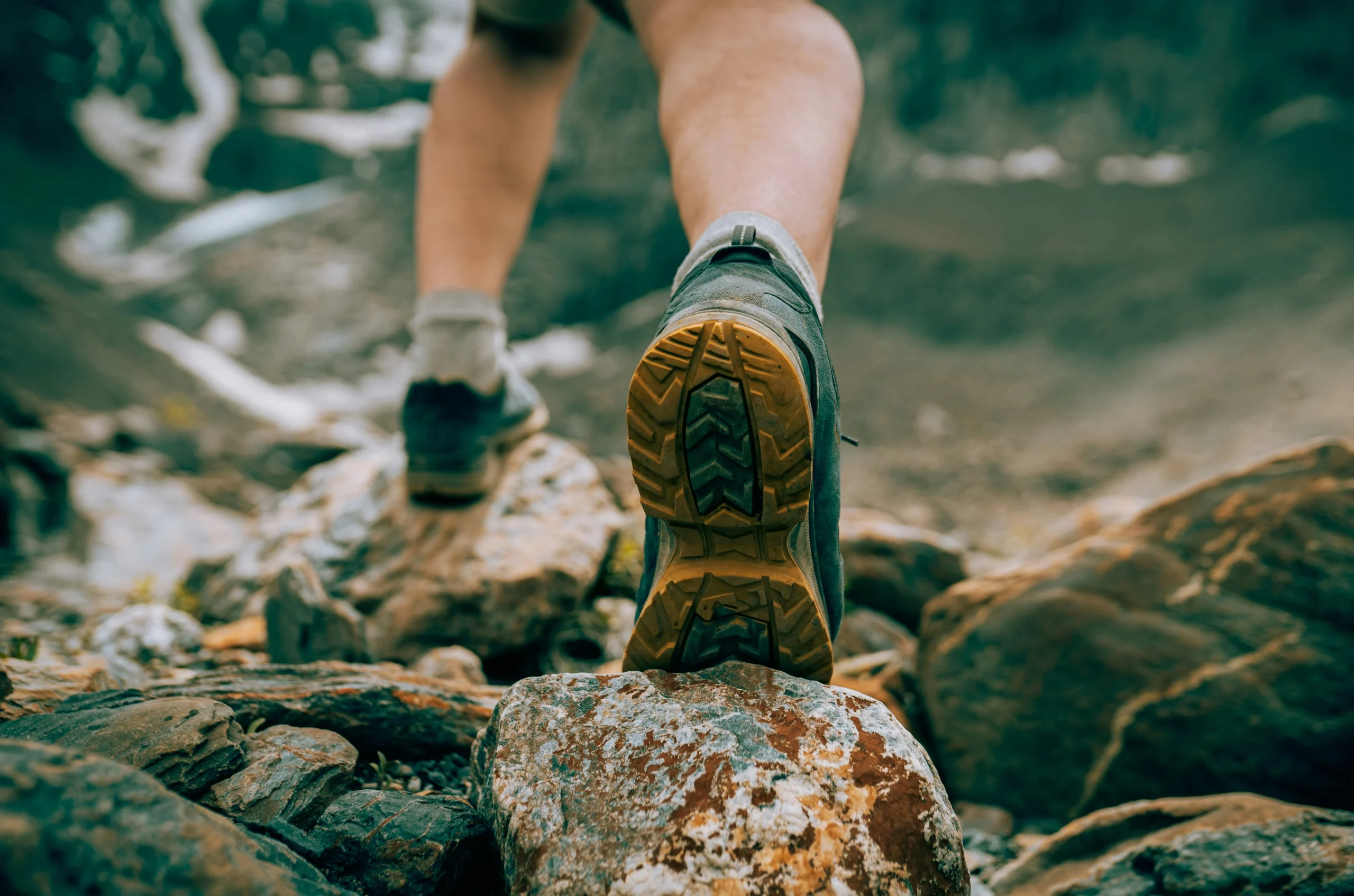
In practice, I wore one pair almost every day.
That pair was New Balance Numeric skate shoes.
They were not the most exciting option in my bag, but they turned out to be the most reliable. Built for durability and stability, they handled long walking days, standing in lines, and uneven streets without issue. They also worked with most of my outfits, which made them an easy default choice.
The other shoes stayed mostly untouched.
Why Comfort Won Without Debate?
Travel days tend to blur together. When mornings start early and days stretch long, decision fatigue is real. Comfortable, familiar items remove friction.
Footwear experts often point out that people walking long distances benefit from shoes designed to absorb repeated impact rather than those meant for short wear. Outside Online notes that shoes built for durability and support are far more practical for travel than fashion focused styles.
That reality showed up clearly in my suitcase.
The Pieces That Earned Their Spot
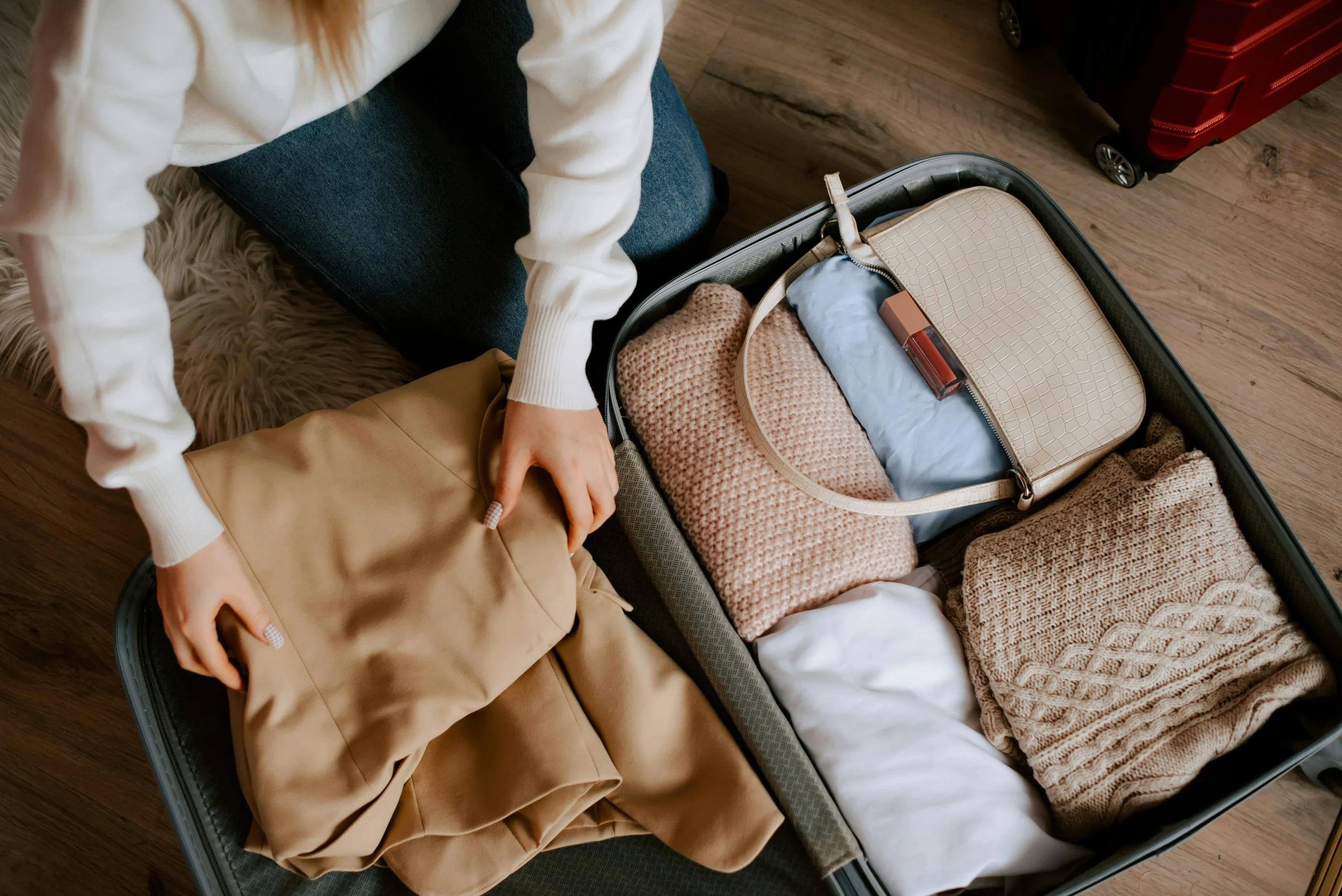
A small group of items did nearly all the work. One reliable jacket. A couple of versatile tops. Comfortable bottoms that worked for walking and sitting. One main pair of shoes.
These pieces earned their place because they adapted to the day instead of demanding planning around them.
Everything else felt optional once the trip was underway.
The Clothes I Did Not Wear
Some items never left the suitcase. Shoes that felt stiff. Clothes that required specific weather or specific plans. Pieces that looked good in theory but did not feel right in motion.
They were not bad choices. They were just unnecessary.
Seeing those unworn items at the end of the trip made it clear that packing more did not add flexibility. It added weight.
What This Trip Taught Me About Packing?
This trip reinforced a simple truth. Packing light is not about discipline. It is about honesty.
Packing for the trip you are actually taking, not the one you imagine, makes travel easier. Comfortable, versatile items outperform special occasion pieces every time.
Shoes that can handle movement will always beat shoes that only look good standing still.
How This Changed How I Pack Now?
After unpacking, I paid attention to what earned repeat wear. Those pieces now form the foundation of how I pack.
Instead of asking how an item looks, I ask how it feels after hours of wear. Instead of planning outfits, I plan combinations.
I pack fewer shoes and choose ones that can handle long days without complaint.
Final Thoughts
What I packed and what I actually wore told two different stories. One was based on optimism and planning. The other was based on reality and movement.
Travel has a way of clarifying what matters. Comfort, versatility, and reliability win every time.
Next time I pack, I will trust what experience has already taught me. The best travel wardrobe is the one you forget you are wearing, because it lets you focus on everything else.


