
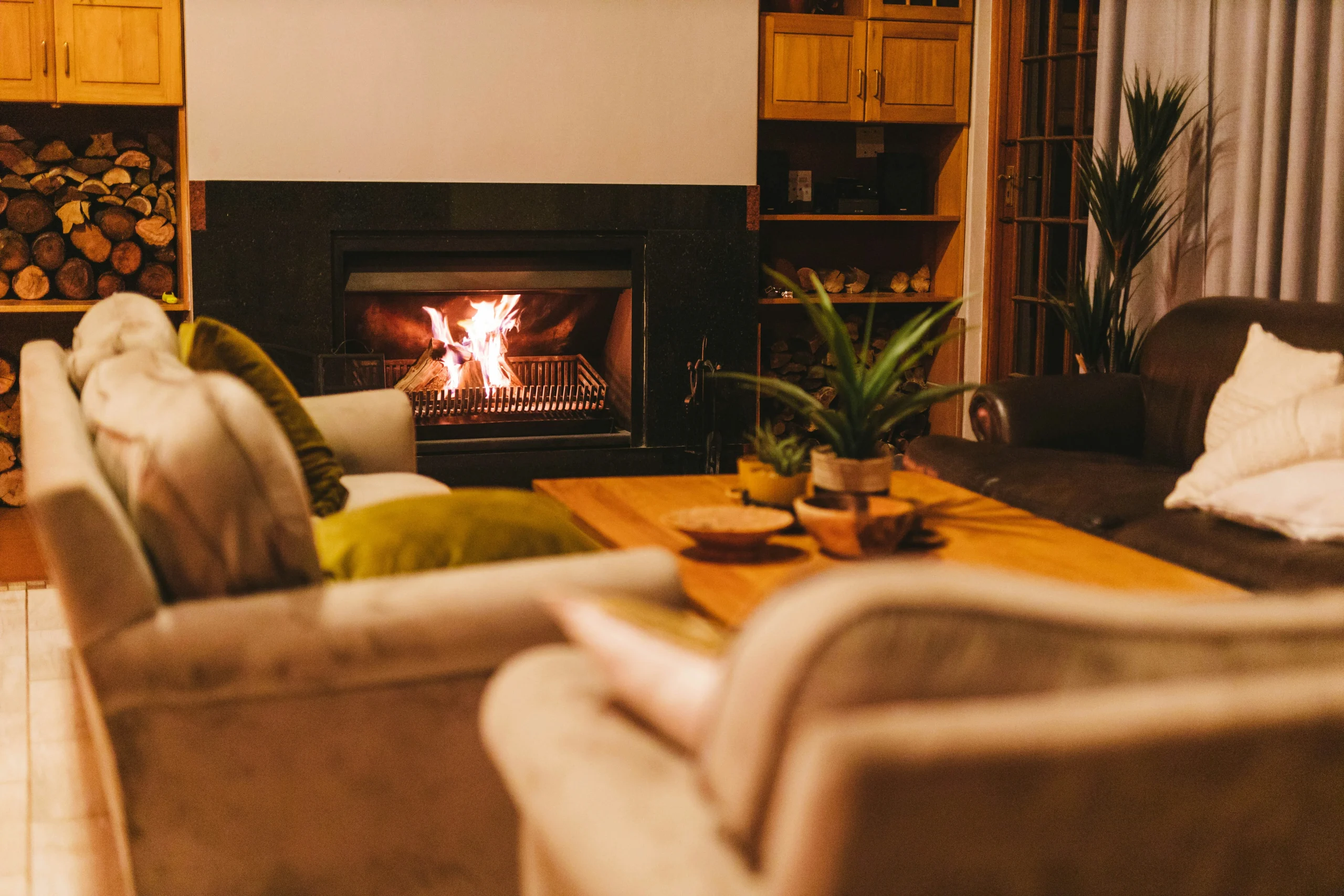
Have you ever entered a room that was photographed as warm but felt cold when you entered?
It’s a frequent occurrence. The chunky throw gets tossed over the armchair. The candles are lit. The lamp is bubbling warmly in the corner. But still. The room has that empty, cold vibe that no amount of styling will cover up.
Here’s the issue: Warmth is not just a heating issue. It’s also a design issue. Architecture, furniture and layout determine if the heat you’re paying for ever makes it to the couch.
The good news?
Most repairs are inexpensive, quick and permanent. Some don’t cost anything!
Here’s how to do it…
What you’ll walk away with:
- Why Rooms Feel Colder Than The Thermostat Says
- What Causes Uneven Heating In Home Spaces
- Design Choices That Actually Hold Heat
- Fast Fixes For A Cold Room
Why Rooms Feel Colder Than The Thermostat Says
A thermostat measures temperature at one spot. Typically a hallway. Typically on a wall that isn’t near where anyone actually resides.
So the screen says 70 degrees… and the living room still feels like 61.
That gap comes down to three things:
- Moving air — draughts pull warmth straight off your skin
- Cold surfaces — bare glass, tile and plaster quietly absorb body heat
- Poor distribution — warm air never makes it into the room at all
Two people can occupy the same room and vehemently disagree on whether it’s hot or cold. That isn’t pickiness. It’s science. Comfort is how a body feels, not what the thermostat reads; hence why a room can be objectively “warmed up” and still be miserable to live in.
Start With The Air, Not The Accessories
Before buying a single cushion, deal with the cold air.
Mismatched heating almost never comes from something in your home’s layout. It comes from something mechanical. Leaky ductwork. Closed or painted-over vents. Or a furnace that has gradually lost power and can no longer push adequate heat to the opposite side of the house. Once your system is more than 15 years old and hot and cold rooms are an annual winter woe, a Manasquan, NJ furnace replacement remedies the discomfort where it starts. A new system that is properly sized for your home distributes warmth evenly rather than boiling the rooms near it and neglecting others.
Don’t forget ducts either. ENERGY STAR reports that 20 to 30 percent of air moving through an average duct system is lost to leaks, holes and poorly connected joints.
That’s warmth being pumped into an attic instead of a bedroom.
Windows Are Doing More Damage Than You Think
Glass is usually the coldest object in the room. Lean against a window in January and you’ll feel chilly even if the air temperature is comfortable, because your body heat is being lost directly to that chilly windowpane.
The Department of Energy estimates that 25% to 30% of heating and cooling energy use is associated with heat gain and loss through windows. In one room, that can result in a cold spot right where your sofa is.
Fixes worth doing:
- Caulk and weatherstrip every gap you can find
- Hang curtains that reach the floor, not the windowsill
- Line them — thermal or blackout backing makes a genuine difference
- Close them at dusk, then open them for the winter sun
Heavy curtains are the rare design choice that looks expensive and performs like insulation.
Layer Textures That Hold Heat
Hard rooms feel cold. Soft rooms feel warm. It really is that simple.
Cold floorboards, glass tables, leather, metal and smooth plaster.. they all suck heat away from your body. Wool, linen, velvet, boucle and thick pile are their opposites — they trap air. And trapped air is insulation. That’s the entire concept behind a coat. It applies equally to floors and walls.
Start with the floor. Cold feet drag down an entire body. One large rug, laid over a felt underlay will cover the coldest floor space in the room, and stop draughts tracking across the floor. Small rugs are postage stamps. They do almost nothing. Go bigger than you think you should. The front legs of the seating should sit on it.
Work your way up from there. Cushions with texture. An old woven blanket thrown over the back of the sofa. An upholstered headboard on an outside wall. Even a big piece of fabric hung on the wall will stop cold plaster’s chill from reaching you.
Rearrange The Room For Warmth
Furniture placement changes how a room feels far more than most people expect.
Three rules are worth following:
- Don’t block vents and radiators. Your sofa soaking up your radiator’s heat is money down the drain.
- Pull seating off exterior walls. Those are the coldest walls in the house.
- Create a centre. A rug, chairs pushed in, and one point of focus makes any space feel anchored.
Large open concept rooms are the most difficult. Heat rises and circulates, so when you have tall ceilings or double-peak ceilings, your seating area will be cold and your ceiling will be hot. By running your ceiling fan in reverse on a low speed, it will blow that warm air back down to the seating area.
Light And Colour Finish The Job
Warmth is partly a trick of the eye.
Flat overhead lighting makes a room look blah and sterile. Throw it out and layer lighting: table lamps, floor lamps and wall sconces at varying levels. Use warm bulbs (around 2700K) instead of the clinical cool whites that make your living room resemble a doctor’s waiting room.
Colour performs a similar function. Rich, saturated hues — terracotta, ochre, olive, rust, warm browns — suck the walls together and create containment within a large space. Cool greys and crisp whites have the opposite effect.
Cool? Warm wood tones help too. Timber, rattan and other natural materials read as warm even when the temperature hasn’t moved a single degree.
Fast Fixes For A Cold Room
Not everything needs a budget. Try these first:
- Draught excluders along the bottom of doors
- Foam gaskets behind outlet covers on exterior walls
- Radiator reflector panels on exterior walls
- A reversed ceiling fan on low
- Full-length lined curtains, closed at dusk
- One oversized rug with a proper underlay
Do all six in a weekend and most cold rooms improve noticeably.
Bringing It All Together
A room that feels as warm as it looks gets built in two layers.
The first layer is mechanical — sealed ductwork, clean vents, good windows and a furnace that can actually deliver warm air to every corner of your home. If you don’t have this layer nothing you do builds on. It’s cosmetic covering up an issue.
The second layer is design — rugs, curtains, texture, layout, warm light and warm colour. That’s the layer that turns a heated room into a comfortable one. And it’s the part most people jump to first.
Get both correct and the blanket covering the armchair finally becomes what it was always meant to be…
A nice-looking blanket. Not survival equipment.


