
Britain’s sporting year rarely settles into a single season. Football dominates much of autumn, winter and spring, Wimbledon arrives at the height of summer, cricket fills the warmer months, and rugby and Formula 1 bring their own regular fixtures. Horse racing and darts add events across much of the year.
The result is a sporting year built around overlap rather than neat handovers. Cheltenham arrives while the football season is still running, cricket begins before domestic football has finished, and major darts tournaments appear at different points throughout the year.
Some events are closely tied to a particular place and time, while others are followed mainly through television and digital coverage. Together, they create a calendar in which there is almost always another competition approaching.
Horse Racing Provides an Unusually Full Calendar
Horse racing is one of the clearest examples of a sport without a long off-season.
The British Horseracing Authority’s 2026 fixture list contains 1,458 scheduled fixtures, including 52 Premier Racedays, covering both Flat and Jump racing.
Within that schedule, major meetings such as the Cheltenham Festival, Grand National and Royal Ascot provide recognisable points in the sporting year. Between them sits a much broader programme of racing at courses around Britain.
That gives the sport a different rhythm from competitions organised around a single league season. Its biggest occasions may receive the most national attention, but racing remains active well beyond those headline weeks.
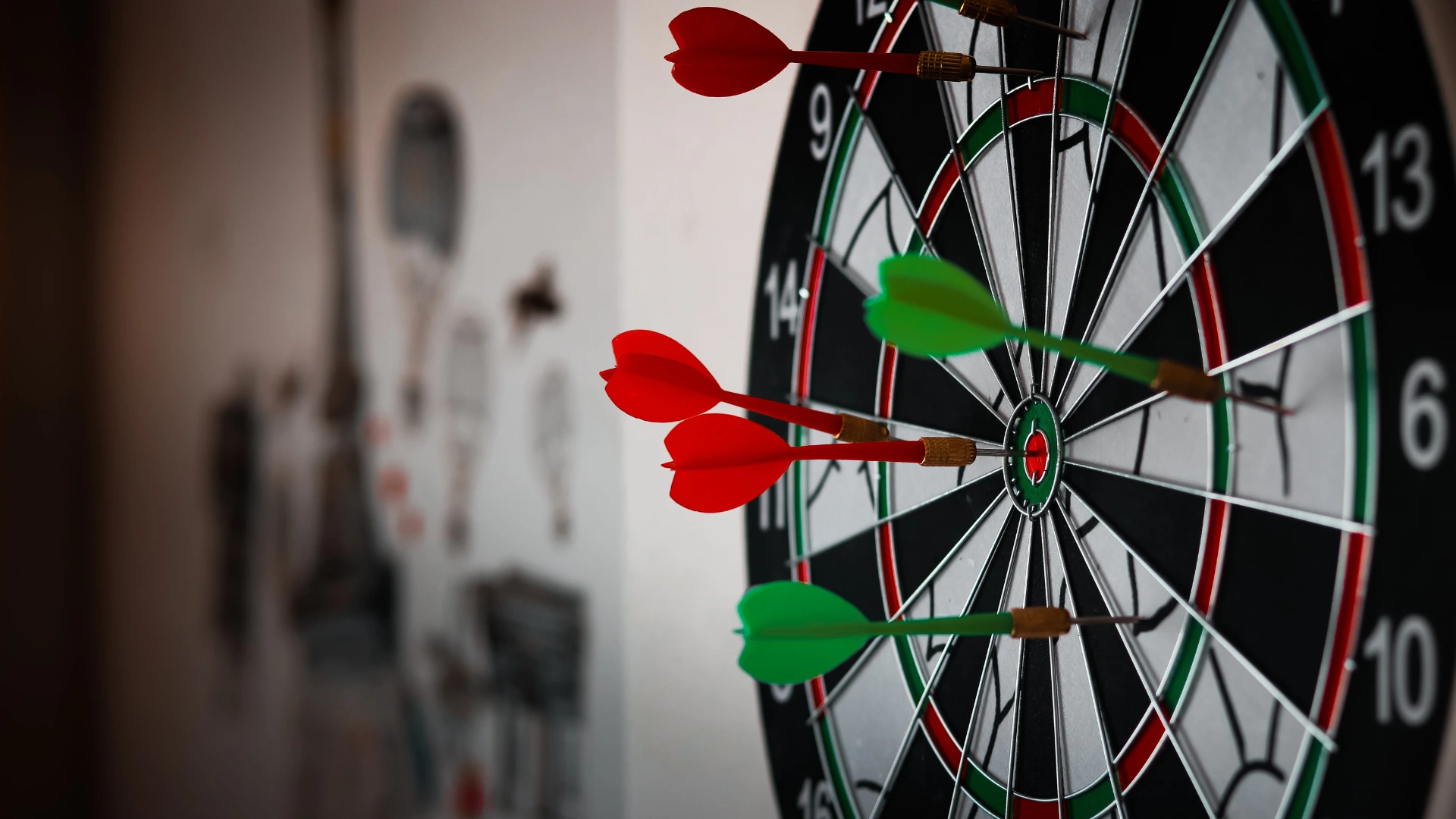
Darts Now Extends Across the Year
Darts has developed along a different path.
The World Championship remains one of its most recognisable events, spanning the end of one year and the beginning of the next, but the professional calendar now reaches far beyond that winter period.
According to the PDC’s 2026 Players Championship calendar, the schedule includes 34 Players Championship events, alongside major televised competitions and other professional tournaments throughout the year.
The Premier League occupies much of the first half of the year, while events such as the World Matchplay and World Grand Prix provide prominent dates later on.
That wider schedule means darts regularly overlaps with football, racing, cricket and tennis rather than appearing only during a traditional gap between other sports.
Where Regulated Gambling Sits Around Sport?
A busy sporting calendar also supports industries around major events, including broadcasting, sponsorship and regulated gambling. In Great Britain, gambling operators serving consumers must hold the appropriate Gambling Commission licence, while advertising and marketing are subject to separate rules and codes.
The commercial ecosystem around major sporting events also includes regulated betting coverage. For example, the sports betting markets available for UK customers show how operators organise event-based markets across football, racing, darts and other scheduled competitions. That commercial layer sits alongside the sporting calendar rather than defining it, and a greater number of fixtures does not necessarily mean higher betting activity.
Recent Gambling Commission data illustrates that. In the reporting period to March 2026, online real-event betting generated £600 million in Gross Gambling Yield, up 1% year on year, while the number of bets fell 8% and average monthly active accounts declined 5%. The Commission notes that the figures cover the largest online operators rather than the entire market.
The figures point to a more complicated relationship between the sporting calendar and gambling behaviour than simply assuming that more fixtures produce more betting.
Different Sports Bring Different Annual Traditions
The appeal of Britain’s sporting calendar also comes from the way individual events have developed their own identities.
Royal Ascot and Cheltenham are associated not only with racing but with travel, dress and traditions around the venues. Wimbledon has a distinct place in the British summer, while major darts tournaments have built a strong arena and television presence.
Location plays a part too. York, Liverpool, Cheltenham, Ascot, Blackpool and London all host events closely associated with particular stages of the sporting year.
Seen this way, the calendar is as much about places and recurring occasions as it is about individual results.
A Sporting Year With Few Empty Spaces
There are still quieter periods. Domestic football slows during summer, individual sports take breaks, and not every month contains an event with the same national reach.
Even so, the broader pattern is one of overlap. When one competition approaches its conclusion, another is usually beginning or moving towards one of its major fixtures.
Horse racing demonstrates that continuity through the scale of its annual fixture list, while darts shows how a professional sport can develop a calendar extending well beyond a single championship.
Alongside football, cricket, rugby, tennis and motorsport, they give Britain a sporting year that continually changes character without disappearing for long.

