
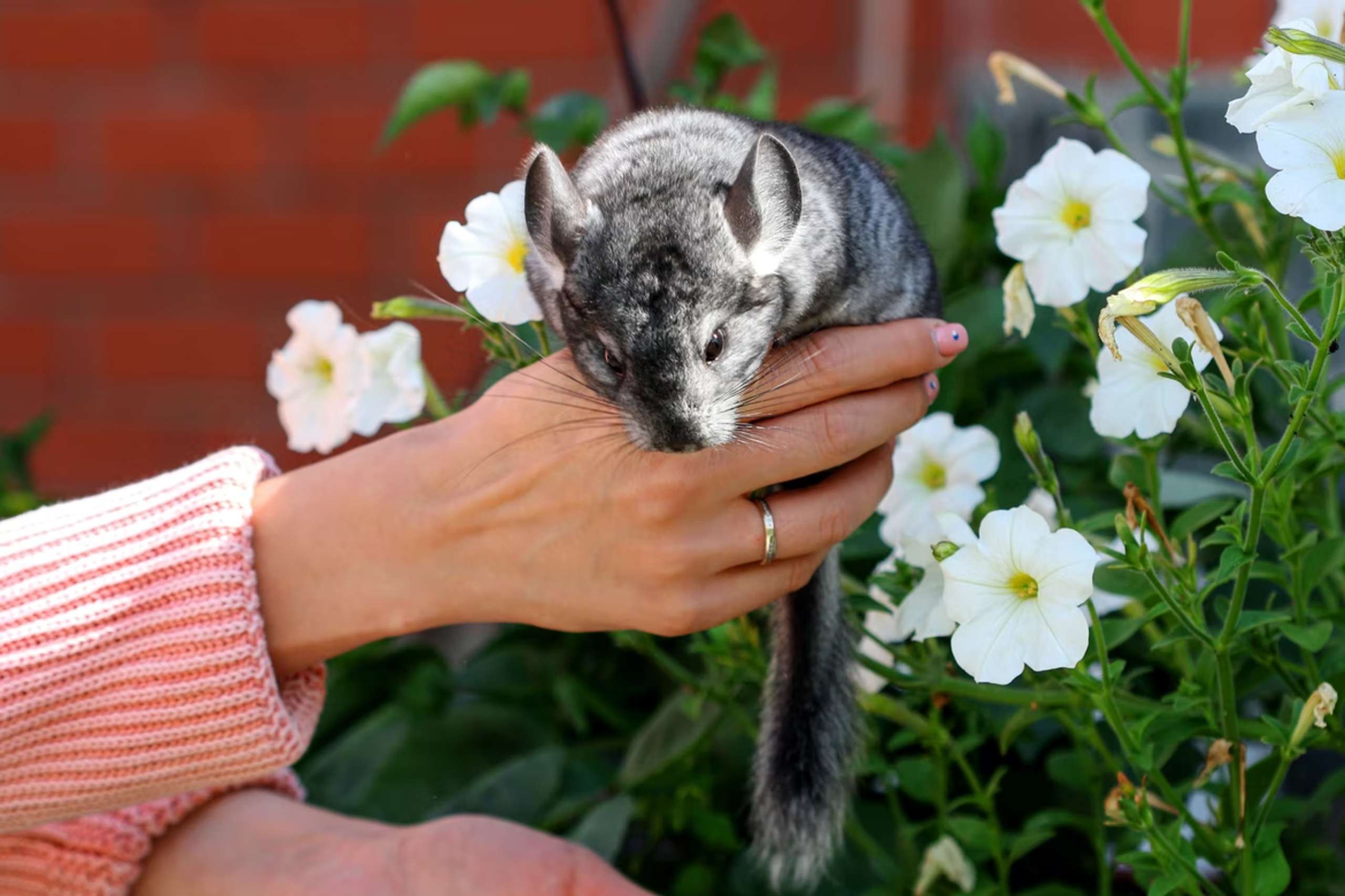
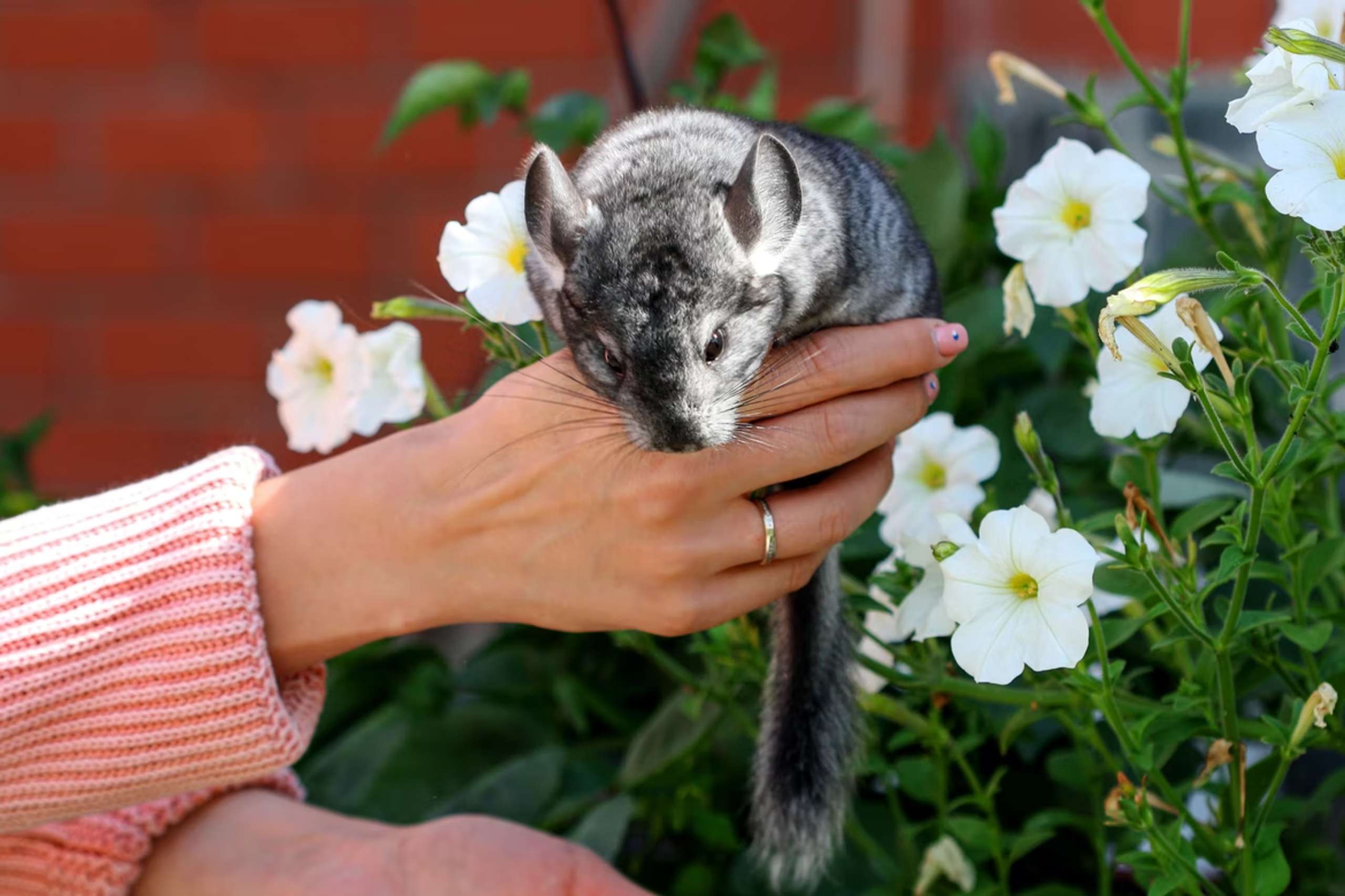
When it comes to choosing a pet, chinchillas are often overlooked in favor of more common options like dogs and cats. However, chinchillas make excellent pets for those who are looking for an animal that is playful, interactive, and low-maintenance. If you’re thinking of adding a chinchilla to your family, there are a few things you’ll want to remember before committing. Here are six tips to keep in mind before bringing home your new furry friend.
1. Where The Chinchilla Will Live
One of the most important considerations when getting a chinchilla is where the animal will live. Chinchillas are very active and need plenty of space to run and jump, so a small cage is not suitable. The minimum cage size for a chinchilla should be at least 18 inches by 24 inches, with a height of 24 inches or more. The cage should also have multiple levels to allow the chinchilla to explore and exercise. When setting up a chinchilla cage, make sure to include plenty of toys and enrichment items to keep your pet entertained. Additionally, always keep their habitat clean and in a quiet area of the house.
2. Chinchilla Diet
Another important thing to remember before getting a chinchilla is what you will need to feed them. A healthy chinchilla diet consists mostly of hay, fresh vegetables, and a small number of pellets. Chinchillas also require a constant supply of fresh water. It’s important to avoid giving your chinchilla sugary treats or processed foods, as these can cause health problems. When choosing hay for your chinchilla, look for a variety that is high in fiber and low in sugar. Timothy hay is a good option and is widely available at pet stores. As for vegetables, dark leafy greens like spinach and kale are safe for chinchillas to eat. You can also offer your chinchilla a variety of other vegetables like carrots, peas, and squash. When feeding pellets to a chinchilla, choose a brand that is specially made for chinchillas and avoid those that are high in sugar or calories.
3. Chinchilla Health
As with any pet, it’s important to be aware of potential health concerns when getting a chinchilla. One of the most common health problems in chinchillas is dental disease. This is caused by a diet that is too high in sugar and carbohydrates, so it’s important to feed your chinchilla a healthy diet as outlined above. Additionally, chinchillas are susceptible to heatstroke, so it’s important to keep their cage in a cool, dry area of the house. If you think your chinchilla is ill, it’s important to take them to a veterinarian who is familiar with treating chinchillas.
4. Chinchilla Temperament
Before getting a chinchilla, it’s important to know a little bit about their temperament. Chinchillas are active and playful animals, but they can also be skittish and easily frightened. They are social creatures and do best when kept in pairs or groups, so if you’re only looking for a single pet, you may want to consider another option. When handling a chinchilla, be sure to do so gently and slowly to avoid startling them. It’s also important to provide them with plenty of toys and enrichment items to keep them entertained and engaged.
5. Chinchilla Grooming
Chinchillas are relatively low-maintenance when it comes to grooming, but there are a few things you’ll need to do to keep your pet healthy and clean. First, you’ll need to provide your chinchilla with a dust bath at least once a week. This helps remove excess oils from their fur and prevents skin problems. You can purchase chinchilla dust at most pet stores. When giving your chinchilla a dust bath, be sure to use a shallow dish and only use enough dust to cover its body. Additionally, you’ll need to brush your chinchilla’s fur regularly to prevent mats and tangles. A soft-bristled brush is all you’ll need. Finally, you’ll need to trim your chinchilla’s nails every few weeks. You can do this yourself or take them to a groomer or vet.
6. Chinchilla Lifespan
When cared for properly, chinchillas can live for 10-20 years. This makes them a long-term commitment, so be sure you’re prepared for the responsibility before getting a chinchilla. With proper care and attention, your chinchilla will be a lifelong friend and companion.
Now that you know a few things to remember before getting a chinchilla, you can be sure you’re prepared for the responsibility. With proper care, your chinchilla will be a part of your family for many years to come. Additionally, be sure to consult with a veterinarian familiar with chinchillas to ensure your pet stays healthy and happy.
Chinchilla Care Tips for a Happy Home Companion
Choosing a Chinchilla is a long-term commitment that deserves thoughtful preparation. Beyond selecting a suitable cage, prospective owners should consider the animal’s diet, temperament, grooming routine, and environmental needs. Creating a comfortable and enriching home can help a Chinchilla settle into family life while supporting its natural behaviours. Since these animals can live for many years, understanding their daily requirements before bringing one home makes the transition easier and helps owners feel confident about providing consistent care.
Creating the Right Environment for Your Chinchilla
A Chinchilla benefits from a calm environment, appropriate enrichment, and attentive everyday care. Owners should also understand that small pets have specific needs that differ from those of cats and dogs. Keeping the living space clean, monitoring comfort levels, and arranging professional advice when concerns arise are all important parts of responsible ownership. With preparation and patience, welcoming a Chinchilla can become a rewarding experience that brings plenty of personality and companionship into the home.

