
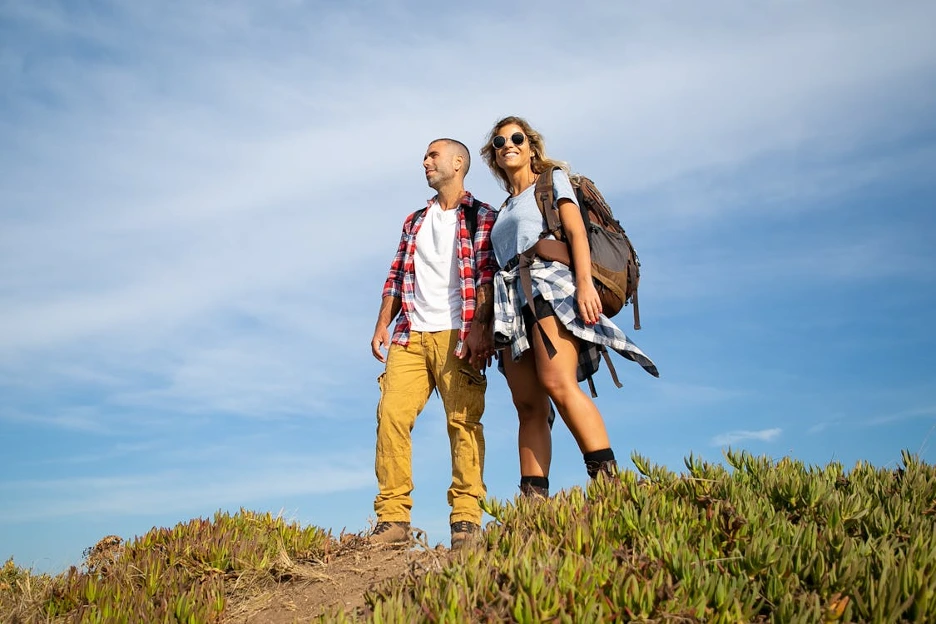
Morning light hits trail before cafés open, when streets are quiet and air feels cool. Shoes scrape stone paths, and small pressure points show up fast during long, rocky descents. A few smart choices in your bag can keep discomfort from stealing focus all day.
Many travelers feel this on the first walk, when weather shifts faster than plans allow. It helps to pack for route variety on foot, especially when hiking all around Portugal. Coast air and inland heat can trade places, so comfort depends on layers and pacing.
Footwear And Clothing That Support Long Days
Footwear shapes the day, so start with fit and grip rather than brand status alone. Many Portuguese routes mix cobblestone, dirt, and rough steps, sometimes within the same trail hour. A stable sole protects feet on descents and keeps ankles steady on uneven edges each day.
Choose walking shoes or light boots with breathable uppers and a firm tread pattern underfoot. Break them in before arrival, because blisters form fast during repeated steep downhill sections here. Pair thin liner socks with wool blend socks to reduce friction and manage sweat in heat.
Clothing works when layers stay simple, easy to wash, and fast to dry fully overnight. Mornings can feel cool near the Atlantic, while inland routes warm quickly by midday sun. Lightweight long sleeves protect skin from sun and brush, without trapping too much heat inside.
Pack a small set of pieces that suits both village dinners and dusty trail mornings. A rain shell matters outside winter, because coastal showers can arrive without warning at lunch. Add a light insulating layer for early starts in hill regions and shaded valleys too.
Helpful staples for most routes are listed below, and they cover warmth, rain, and repeat wear. Aim for pieces you can combine easily, so you do not pack duplicates for every day. If you are unsure, lay everything out, then remove one item from each main category.
Helpful staples for most routes include:
- Two quick drying tops for repeat wears and overnight washing
- One insulating layer that packs down small in a day bag
- One rain shell with a hood and simple cuffs
- One pair of walking trousers with stretch and secure pockets
Pack Fit, Weight, And Daily Carry Comfort
A poorly fitted pack can turn short distances into shoulder strain and sore neck muscles. Most day walks suit a 20 to 30 liter pack for water, layers, and care items. The goal is steady comfort, not maximum storage, and not a heavy load either today.
Look for padded shoulder straps, a simple waist belt, and an adjustable sternum strap for support. Weight should sit on hips, so shoulders guide the load rather than carrying it all day. Before the trip, add a few kilos at home and climb stairs to test pressure points.
Inside the pack, organization reduces stop time and keeps stress low on busy paths ahead. Use one pouch for sun care and another for first aid, so they stay easy to reach. Keep snacks near the top, since hungry breaks often arrive sooner than expected on climbs.
Water access deserves attention on exposed ridges, where fountains may be spaced far apart sometimes. Side pockets that hold bottles securely can be easier than reaching into the main compartment. If you use a hydration bladder, clean and dry it nightly to prevent bad tastes.
The National Park Service keeps a list of hiking essentials that reduce avoidable problems for most walkers. Use it as a check, then remove items that do not match your distances and support plans. If luggage transfers are included, daily carry can stay lighter and more consistent each morning.
Weather, Sun, And Seasonal Shifts
Portugal’s conditions change by region, season, and time of day on longer walking routes often. Spring brings green hills and cool mornings, while summer heat builds quickly once the sun climbs. Autumn often feels mild, but daylight fades earlier than many visitors expect in rural areas.
Coastal winds can drop perceived temperature even when skies stay clear and bright overhead all. Inland valleys can trap heat, especially during afternoon climbs through vineyards and open farmland inland. If forecasts show a wide range, plan for shade breaks and layer swaps before lunch.
Sun protection matters on pale stone and sand, where glare feels sharp and tiring for eyes. A wide brim hat, UV rated sunglasses, and high SPF sunscreen can prevent headaches and fatigue. Many walkers also like a light neck covering, because it protects skin during exposed stretches.
Rain still appears in shoulder seasons, and wet stone gets slick quickly underfoot in towns. A pack cover keeps spare clothing dry, and a small towel helps with grip on poles. If you expect showers, choose shoes that shed water and dry without holding a heavy soak.
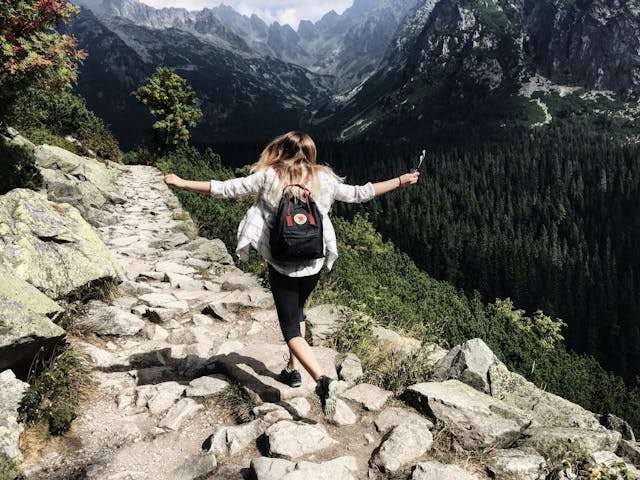
Small Gear And Habits That Protect Your Energy
Small items can have an effect on comfort, especially across several walking days in a row. Trekking poles reduce knee strain on descents and help balance on loose gravel sections downhill. Practice adjusting pole length, so they feel natural on climbs and flat stretches outside towns.
Heat management is part gear and part habit, since fatigue can build quietly in inland areas. The Centers for Disease Control shares guidance for pacing, shade breaks, and drinking water during hot weather exertion. Use that guidance by setting breaks, topping up bottles early, and eating snacks when sweat rates rise.
Navigation tools still help, even on marked routes that pass through villages and farms daily. Download offline maps and carry a brief note with key turns, distances, and emergency numbers. A small power bank keeps phones working for photos, messages, and calls after long days.
First aid does not need to be bulky, but it should cover issues well enough. Blister pads, tape, antiseptic wipes, and a few pain relief tablets handle most problems early. Add any personal medication, plus a small card listing allergies and emergency contacts clearly today.
Food choices shape comfort more than many people expect during repeated days of walking outdoors. Pack snacks that do not melt or crumble, like nuts, dried fruit, and firm bars. A small reusable container stops crushed pastries, which are hard to resist in nearby bakeries.
Evenings matter, because recovery sets up the next morning and keeps feet happy too afterward. Pack cushioned shoes for cobbled streets, plus a light change of clothing for dinner plans. Quick drying fabrics help if you wash items in a sink and hang them overnight.
Pack Light, Walk Well
A comfortable hike comes from simple choices repeated each day, not from carrying extra gear. Choose footwear you trust, keep layers straightforward, and keep sun care within easy reach always. Check forecasts nightly, refill water early, and treat foot hot spots before they turn painful.
Sponsored by opwalkingtoursportugal


