
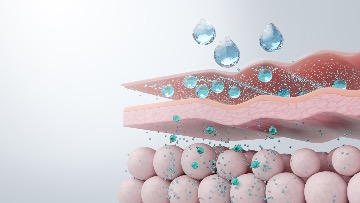
Skincare has a way of pulling us in different directions. One week it’s exfoliating acids, the next it’s a new “must-have” ingredient, and somewhere in between, routines become longer, more complicated, and often, less effective.
Because beneath all of it, there’s something far more fundamental at play: your skin barrier. Understanding how hydration and barrier health work together is key, especially when following a guide to properly hydrate dry skin designed to support long-term skin function.”
For Australians, this is even more important. Our skin faces harsh sun, dry winds, and hot indoor air. Studies show that high UV levels can degrade up to 50% of skin lipids over time, slowly weakening that “brick-and-mortar” layer that keeps hydration in and irritants out.
When your barrier is strong, skin looks and feels balanced. When it’s not, even your favourite products can sting or fail to work.
The Part of Skincare We Don’t Talk About Enough
Your skin barrier, technically the stratum corneum, is often described using the “brick and mortar” model. The skin cells are the bricks, and a mix of lipids (ceramides, cholesterol, and fatty acids) act as the mortar holding everything together.
Its job is simple:
- Retaining water within the skin (preventing transepidermal water loss, or TEWL)
- Protecting against external irritants such as UV radiation, pollution, and bacteria
But here’s the part that matters, this system is surprisingly easy to disrupt. And once it is, your skin doesn’t just look dry. It behaves differently.
It becomes reactive. Less predictable. Harder to manage.
When this system is intact, the skin maintains hydration and functions efficiently. When disrupted, water escapes more easily and the skin becomes increasingly reactive.
Why the Australian Climate Changes Everything?
In Australia, barrier health isn’t optional; it’s constantly being challenged.
High UV exposure doesn’t just sit on the surface of the skin; it actively breaks down the lipids that hold your barrier together. Over time, this leads to increased transepidermal water loss (TEWL), which is the technical term for hydration escaping from the skin.
Then there’s the climate itself. Dry heat, indoor heating in winter, and even coastal wind and salt all contribute to dehydration. It’s not just about dryness you can see, it’s about water loss happening continuously, often without you realising.
The result? Skin that feels tight, looks dull, and reacts more easily.
When Your Skin Starts “Acting Out”?
A compromised barrier doesn’t always show up in obvious ways. Sometimes it’s subtle.
Products that used to feel fine suddenly sting. Redness lingers longer than usual. Your skin feels both dry and breakout-prone at the same time.
This is because a weakened barrier allows irritants and bacteria to penetrate more easily, while also losing the moisture it needs to stay balanced.
It’s less about having “problem skin” and more about skin that’s no longer supported.
Hydration, But Done Properly
Hydration is often oversimplified, but in reality, it’s one of the most important, and misunderstood parts of skincare.
From a science perspective, hydration is about increasing water content in the skin using humectants like glycerin, hyaluronic acid, and panthenol. These ingredients act like magnets, drawing water into the skin.
But in a dry climate, there’s a catch.
Without the right barrier support, these ingredients can actually pull water from deeper layers of your skin, allowing it to evaporate into the air. That’s why application matters just as much as formulation applying hydrating products to slightly damp skin helps bind external moisture instead.
And crucially, hydration needs to be sealed in.
The Science of Repair: Rebuilding the Barrier
Barrier repair is about restoring structure.
Research shows that the skin barrier functions best when lipids are replenished in ratios similar to what naturally occurs in healthy skin. Often referred to as the “lipid trinity,” this includes ceramics, cholesterol, and fatty acids.
Some studies suggest that formulations using ratios like 3:1:1 or 2:4:2 (ceramides:cholesterol:fatty acids) can support more efficient repair, as they mimic the skin’s own composition.
Alongside this, ingredients like niacinamide play a dual role, helping to reduce inflammation while also signalling the skin to produce more of its own ceramides over time.
It’s this combination, external support and internal stimulation, that leads to real, lasting improvement.
Why Simplicity Works Better?
When your skin barrier is compromised, adding more products isn’t the solution.
In fact, one of the most effective approaches is what many dermatologists refer to as a “reset” routine, stripping things back for a few weeks to allow the skin to recover.
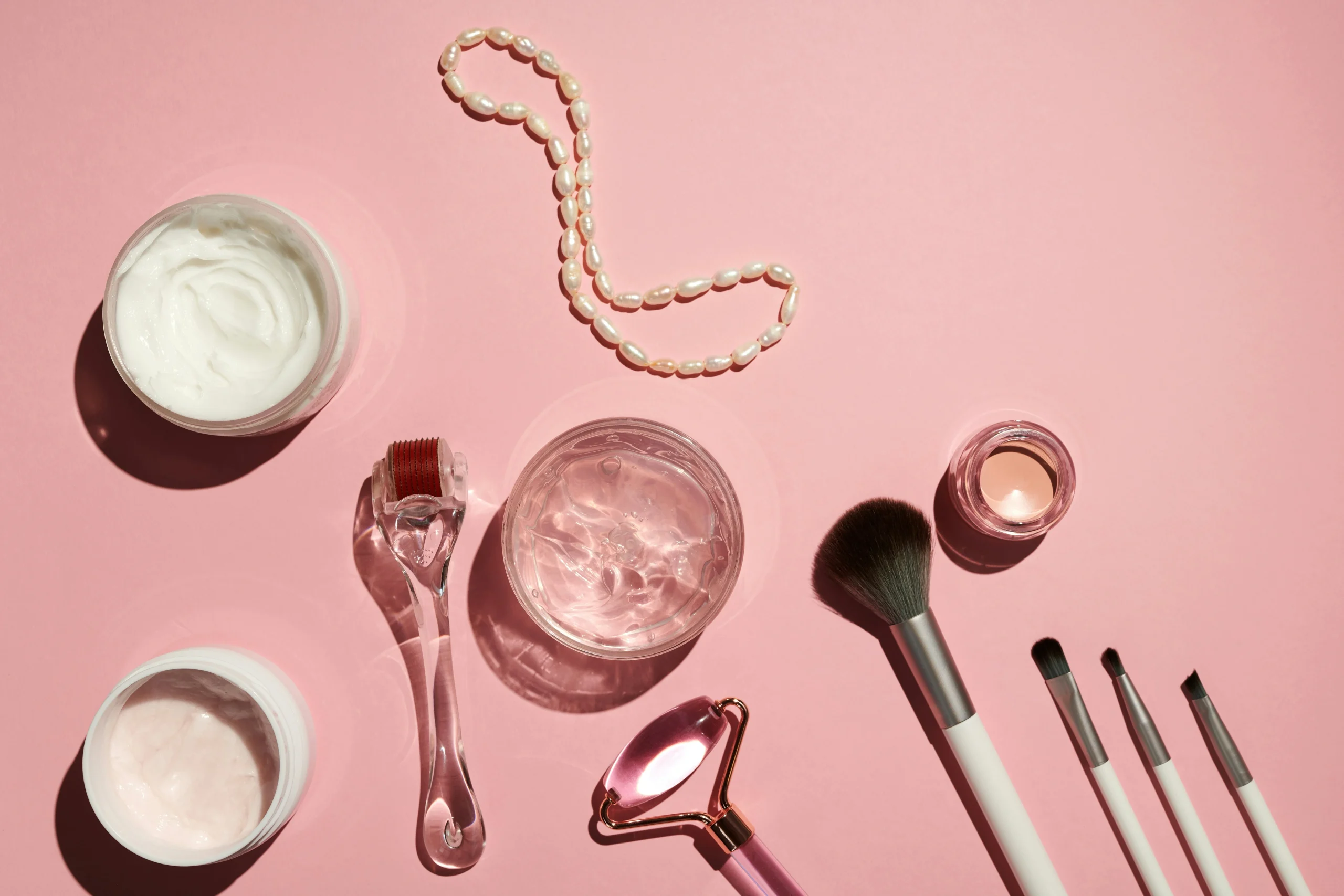
This usually looks like:
- A gentle, pH-balanced cleanser that doesn’t strip the skin
- A hydrating serum applied to damp skin to support moisture retention and barrier function
- A moisturiser rich in barrier-supporting lipids
- Daily broad-spectrum SPF 50+
That’s it.
No harsh exfoliants. No high-strength actives. Just consistency and support.
Over time, typically within 2 to 4 weeks, skin begins to stabilise. Hydration levels improve, sensitivity reduces, and that constant cycle of reacting and correcting starts to settle.
This is also where targeted formulations come in. A well-formulated night serum for dry skin can support hydration and barrier repair overnight, especially when designed to help strengthen the skin barrier while locking in moisture. Used consistently, it becomes a seamless part of your routine, helping skin recover from daily environmental stressors.
What Results You Actually See?
When hydration is restored and the barrier is strong, the results aren’t dramatic, they’re subtle and lasting:
- Skin feels softer and more comfortable
- Redness fades
- Texture becomes smoother
- Breakouts are less frequent
- Skin responds predictably to other products
This is the difference between chasing quick fixes and building skin that works for you.
Why It Matters?
Good skincare isn’t about trends or complicated routines. It’s about understanding what your skin needs, and giving it what it needs to function properly.
Hydration. Barrier repair. Simplicity.
Do these right, and your skin will thank you, not with instant changes, but with long-term resilience and balance.


