

Virgin hair has become the ultimate symbol of adaptability, self-confidence, and affluence in the beauty industry today. Be it volume, a change in style, or just the joy of having perfect hair every day, even the choice of high-quality virgin hair can entirely transform your appearance.
However, there are dozens of textures, origins, and price points on the market, making it overwhelming to select the best virgin hair. Starting with silky straight Brazilian bundles, then moving on to bouncy Malaysian curls, there appears to be no end to choices —and promises.
That is why it is crucial to know what is really important when buying virgin hair, so your money does not go down the drain. By discovering factors such as hair type, hair texture, hair sourcing, and hair maintenance, you can be sure to make a decision that will leave you as good as it actually looks.
This article will explain how you can choose the ideal virgin hair that fits your personal character and financial well-being.
How to Choose the Best Virgin Hair for Your Style and Budget
Choosing the best virgin hair starts with understanding what the term actually means. True virgin hair is 100% human hair that has never been chemically processed, dyed, or permed, with cuticles intact and all running in the same direction. This untouched condition is what gives it durability, softness, and a natural look that processed alternatives simply cannot replicate. With dozens of textures and origins available across the market, from silky straight Brazilian bundles to bouncy Indian curls, knowing what to look for before you buy saves both money and disappointment. Quality, sourcing transparency, and texture compatibility are the three factors that matter most.
Balancing Quality, Texture, and Budget When Buying Virgin Hair
Getting the balance right between quality and budget comes down to how often you plan to wear your extensions. High-quality virgin hair used daily can last a year or more with proper care, making it more cost-effective over time than cheaper alternatives that shed or tangle after just a few washes. Texture compatibility is equally important, as matching your extensions to your natural hair creates a seamless, low-maintenance blend. Pairing fine or loose hair with straight or wavy textures works best, while coarser hair blends more naturally with kinky curly or deep wave options. Always research your vendor carefully, prioritising brands that are transparent about sourcing and offer genuine customer protection.
1. Understanding What Virgin Hair Really Means
First, you should know what is meant by virgin hair—and what is not. Virgin hair is human hair that has not been chemically worked on, dyed, bleached, or permed. That is, it is 100 percent pure and untouched, and it has been donated by only one source whose hair cuticles are intact and all face in the same direction.
This is the natural condition of virgin hair that makes it durable, soft, and natural. Diamond Dynasty virgin hair, for instance, exemplifies this purity and quality, offering strands that can be washed, colored, and styled just like your own hair. Unlike synthetic or processed human hair, it provides a natural, realistic look.
Nevertheless, most individuals misinterpret that virgin hair is all equal. The quality varies considerably by collection, processing, and hair age. Therefore, it is a good idea to investigate a brand’s reputation and transparency regarding sourcing before you are willing to purchase it.
2. Comparing Hair Origins and Textures
When you enter the market, you will soon realize that there are various virgin hair varieties in different countries, each with its own nature and features. Some hair is most popular because it is naturally thick and versatile.
The change in one type to another is highly subjective to your individual style aspirations. If you love smooth elegance, Brazilian or Malaysian hair may be your favourite. On the other hand, if you lean toward natural, thick curls, Indian or Peruvian hair would suit you better.
Thus, consider how the hair looks, as well as its suitability to your lifestyle and hairdressing habits.
3. Balancing Quality and Budget
Although one wants the highest quality, one’s budget plays a role in the decision-making process. The cost of virgin hair varies widely depending on its length, origin, and brand. Some of the virgin hair is relatively affordable, but rarer sources are usually more expensive. That said, a lower price does not necessarily imply better quality.
To balance style and budget, decide the frequency of use for the extensions first. When you plan to use them every day, high-quality hair may prove more economical in the long run, as it lasts longer when well cared for —often a year or more. On the contrary, if you plan to wear them now and then, a mid-range option might also deliver great results without breaking the bank.
Moreover, watch out for offers that appear too good to be true. Cheap virgin hair can be mixed or processed to keep prices low, but this may result in shedding, tangling, or dullness after only a few washes. Thus, it is worth paying more to have hair as good as it will be in the future.
4. Evaluating Texture Compatibility and Maintenance
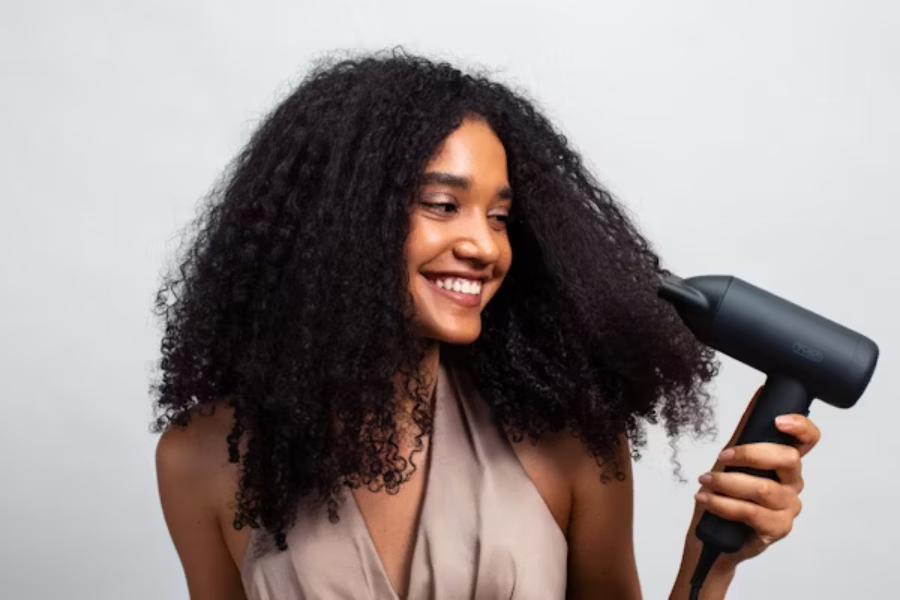
In addition to price and origin, texture compatibility is an essential factor in creating a natural appearance. Pairing your virgin hair texture with your natural hair makes the blend look natural and easy to maintain.
For example, if you have fine or loose hair, straight or loosely wavy hair would blend better. On the other hand, coarser or tightly curled hair gives a more realistic look, so it is better to use kinky curly or deep wave textures.
In addition, maintenance requirements must be considered. Some textures require more continuous conditioning and detangling to maintain bounce and shine, and others that are low-maintenance and keep their style intact very easily.
Knowing your personal hair habits and the time and energy you have to invest, you can select a texture that will not oppose but complement your lifestyle.
5. Choosing a Reputable Vendor
The finest virgin hair would fail, as long as its supplier is not a reliable one. That is why it is equally important to find a trustworthy supplier and the appropriate texture.
Find brands that are clear about the route and source of their hair collection. To be considered genuine, companies tend to disclose the sources of their donors and ensure their products are ethically sourced.
Customer review reading and video testimonials may provide some insights into actual performance as well. In addition, good sellers typically offer refunds or replacements when the item is not as expected, something unscrupulous retailers would never do.
Your investment will be secure, and your shopping experience will be more rewarding as it will be focused on quality assurance and customer service.
In Conclusion
It comes down to finding the perfect virgin hair that matches your style and budget, and to striking the right balance between beauty, functionality, and realness. Learning the peculiarities of hair types, textures, and their sources, you can make a decision that not only improves your image but also demonstrates your personality. Therefore, the virgin hair that suits you ought to be as soft as a continuation of yourself, beautiful, easy to handle, and long.
Sponsored by diamonddynastyvirginhair

