
The car you fall for is rarely the car you end up paying for. You picture the badge, the quiet cabin, the way it pulls away from the lights. What you tend not to picture is the servicing invoice three winters later, or the day you go to sell and discover how much value quietly slipped out of it while you weren’t looking.
Owning a luxury car is one of life’s genuine pleasures. It is also a decision that rewards a bit of cold arithmetic before you sign anything. Get the money side right and the pleasure lasts. Get it wrong and the car starts to own you instead.
Here is how to enjoy the former.
The Number Nobody Quotes You
Every prestige car has two prices. There is the one on the windscreen, and there is the one you actually pay across the years you own it. The gap between them is where most buyers come unstuck.
Take maintenance alone. A US analysis of CarEdge data, cited by SoFi, put the average luxury car’s upkeep at close to $13,000 over ten years, with the European marques sitting well above that. Mercedes-Benz models averaged around $12,962 across a decade, while Bentley topped the table at a startling $36,522. A Tesla Model 3, by contrast, came in near the bottom at $3,257. Same “luxury” label, wildly different long-term bills.
Then there is the cost of borrowing. When Katie Gatti, the writer behind Money with Katie, broke down her own Porsche Macan purchase, she found that financing it at a high interest rate pushed the total cost of ownership to roughly 23% above the sticker price. A car advertised at one figure quietly became a much larger one. The lesson is not “never finance.” It is “know the real number before you fall in love.”
How Sensible Buyers Actually Pay For It?
Paying cash for a depreciating asset is rarely the clever move, and few of us have a spare six figures sitting idle anyway. So the question becomes how you structure the finance.
This is where the mechanics matter more than the marketing. Salaried professionals in some markets have a particularly tidy option: in Australia, for instance, many arrange the car through a salary-packaged novated lease, which bundles the finance and most running costs into a single deduction taken from pre-tax pay.
It is not magic money, but structured well it can soften the true cost of a car in a way a standard loan does not.
Whatever route you choose, judge it on the all-in figure over the full term, not the monthly payment in the brochure. A low monthly can hide a long tail of interest. Ask what the car costs you by the end, then decide.
Depreciation Is The Real Luxury Tax
Here is the part that stings, and the part most people ignore until it is too late. Luxury cars often lose value faster than ordinary ones, not slower. That gleaming premium you paid at the showroom is partly a premium you are handing straight back the moment you drive away.
You cannot stop depreciation. You can absolutely influence it. Colour, specification and mileage all move the needle, but the single most controllable factor is condition, and condition is mostly a story your service history tells. A prestige car with a complete, specialist-stamped record holds its price far better than an identical one with patchy paperwork and a mystery gap where two services should be.
Which brings us to the least glamorous, most decisive line in the whole budget.
Servicing Is Where Prestige Is Kept Or Lost
A luxury car is a specialist machine, and specialist machines want specialist hands. The temptation, once the manufacturer warranty lapses, is to save a few pounds at a general workshop. It is usually a false economy.
Marque specialists know the known faults, carry the right diagnostic kit, and use parts that keep the service record intact and the resale value defensible. If you own a German car in a major city, booking a dedicated Mercedes service in Melbourne rather than the nearest general garage is the sort of small, boring decision that pays you back handsomely at resale. The invoice looks bigger today. The car is worth more the day you sell it.
Book the scheduled services on time, keep every receipt, and treat the logbook as the financial Document It Is. future-you, standing in front of a buyer, will be grateful.
The Costs That Hide In Plain Sight
Beyond finance, depreciation and servicing, a few running costs deserve a line in your budget before you commit rather than after:
- Insurance: Premium metal usually means premium cover, though not always as much as you fear. It is worth getting real quotes on the specific model before you buy, not after.
- Tyres and consumables: Larger wheels and performance rubber cost noticeably more to replace, and they wear.
- Fuel: Many prestige engines want the expensive stuff, and they are rarely frugal.
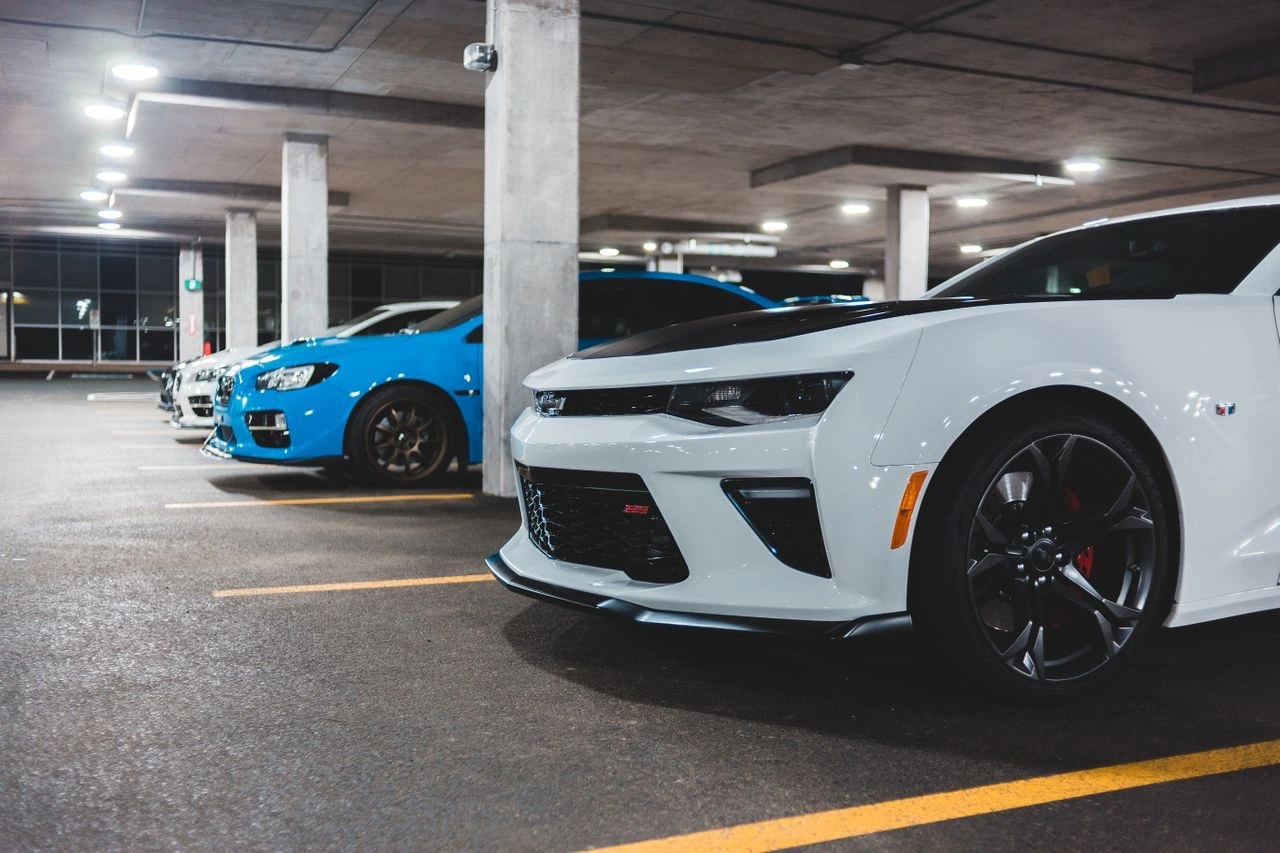
- Where it sleeps: A car worth protecting needs somewhere to live. Secure parking is a real cost, and occasionally a stressful one, as anyone who has moved a prized car ahead of a hailstorm will tell you.
None of these should scare you off. They should simply be in the spreadsheet before you sign, not sprung on you afterwards.
So, Should You Own A Luxury Car?
Yes, if you go in with your eyes open. A luxury car bought on a clear-eyed view of the total cost, financed in a structure that suits your income, and looked after by people who know the marque, is a genuine joy that holds its worth respectably.
The same car bought on the monthly payment alone, serviced wherever is cheapest, is a slow financial leak with lovely upholstery.
Before you visit a single showroom, do one unglamorous thing: build the ten-year number. Purchase, finance, insurance, servicing, tyres, the lot. If the car still makes sense with all of that staring back at you, buy it and enjoy every mile. You will have earned it properly.


